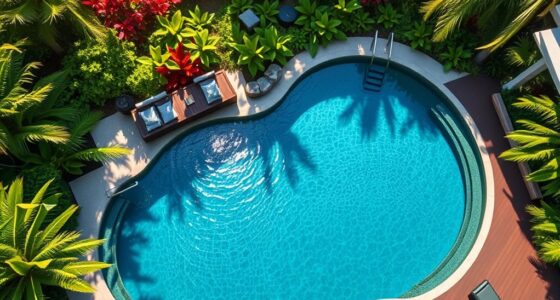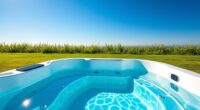
Discover the beauty of natural swimming pools, where you can enjoy a chemical-free, eco-friendly swim. These pools mimic ponds using plants, biological filters, and natural processes to keep water clean and safe. They offer a stunning landscape that supports local wildlife and reduces your environmental footprint. With continuous water circulation through natural filtration, you benefit from a healthier, serene environment. To find out how these pools work and how you can create one, keep exploring the details below.

Get pool and patio gear delivered free — and shop member deals
- Fast, free delivery on millions of items
- Access to Prime Big Deal Days deals on October 6–7
- Prime Video, Amazon Music and more included
Key Takeaways
- Natural swimming pools use plants and biological filters to maintain clean water without chemicals.
- They feature a divided design with a swimming zone and a regeneration zone for natural filtration.
- Water circulates naturally through eco-engineered systems, reducing or eliminating the need for chlorination.
- These pools promote ecological balance and support local wildlife habitats.
- They offer a sustainable, health-conscious, and visually appealing alternative to traditional chlorinated pools.

Have you ever wondered if you can enjoy a clean, chemical-free swimming experience right in your backyard? Natural swimming pools make that possible by blending eco-friendly design with efficient water filtration systems. These pools are carefully crafted to mimic the qualities of a natural pond, providing a safe, sustainable alternative to traditional chlorinated pools. Instead of relying on harsh chemicals, they use plants, biological filters, and natural processes to keep the water clean and clear.
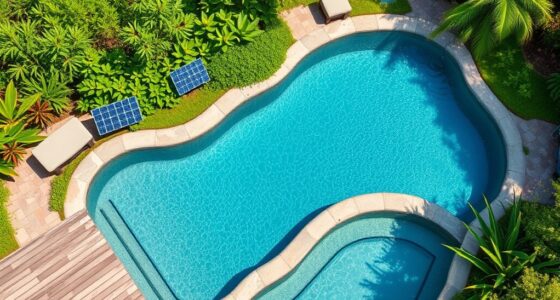
When you choose a natural swimming pool, you’re opting for an eco-friendly design that integrates seamlessly into your outdoor space. The pool is divided into two main zones: the swimming area and the regeneration zone. The regeneration zone is filled with specific plants and substrates that naturally filter the water. As water circulates between the zones, the plants and biological media work together to remove impurities, bacteria, and algae, maintaining pristine water quality without chemicals. This approach not only reduces your environmental footprint but also creates a more inviting, natural aesthetic.
The water filtration system in a natural pool is a marvel of eco-engineering. Instead of relying on chlorination or other chemical treatments, it harnesses the power of nature to do the work for you. Water is continuously circulated through the regeneration zone, where the plants and biofilters trap dirt and absorb nutrients that feed algae. This biological filtration process keeps the water fresh and safe, making it a healthier choice for swimmers and the environment alike. Plus, the natural filtration system minimizes maintenance and ongoing costs, since you’re not constantly purchasing and adding chemicals.
Designing a natural swimming pool with water filtration in mind requires thoughtful planning, but the results are well worth it. You’ll get a vibrant, inviting pool that blends into your landscape and provides a tranquil retreat. The eco friendly design ensures that your pool is energy-efficient, often requiring less energy to circulate and filter water compared to traditional pools. Furthermore, the presence of plants and natural elements creates a habitat for local wildlife, making your backyard a lively, ecological haven. Incorporating biological filtration techniques rooted in natural processes enhances the sustainability of your pool.
In essence, a natural swimming pool offers you a chance to swim in a chemical-free paradise, where water is kept clean through sustainable practices rather than harmful chemicals. It’s an investment in your health, your landscape, and the environment, providing a serene oasis you can enjoy all year round while respecting the planet.
As an affiliate, we earn on qualifying purchases.
Frequently Asked Questions
How Long Does It Take to Build a Natural Swimming Pool?
Building a natural swimming pool typically takes between 3 to 6 months, depending on size and complexity. You’ll need time for planning, excavation, eco-friendly filtration setup, and planting. While the initial cost may be higher than traditional pools, a cost comparison reveals lower ongoing maintenance expenses. The eco-friendly filtration system not only keeps your pool clean naturally but also reduces chemical use, making your swimming experience safer and more sustainable.
What Is the Maintenance Cost Compared to Traditional Pools?
Your maintenance costs for natural pools are surprisingly lower than traditional pools—it’s like saving a fortune on chemicals! You’ll spend less on chemical costs and routine upkeep because natural pools rely on biological filtration instead of harsh chemicals. Over time, maintenance expenses stay minimal, making them a budget-friendly choice. Plus, you get to swim in crystal-clear water without worrying about chemical buildup, keeping your backyard paradise pristine and eco-friendly.
Are Natural Pools Suitable for All Climates?
You wonder if natural pools suit all climates. Climate adaptation influences their seasonal viability; in colder regions, you might need additional heating or covers to keep the water warm. In warmer areas, natural filtration works well year-round. While they’re adaptable, you should consider local climate conditions and maintenance needs to guarantee your natural pool remains a enjoyable, eco-friendly swimming spot regardless of seasonal changes.
How Effective Are Natural Pools at Preventing Algae?
Imagine a serene oasis, where algae control isn’t a constant worry. Natural pools excel at preventing algae with their chemical-free filtration, relying on beneficial bacteria and plants to maintain clarity. While they’re effective, consistent maintenance helps keep algae at bay. You’ll find that proper design and regular upkeep are key, allowing you to enjoy a beautiful, eco-friendly swim without the need for harsh chemicals.
Can I Install a Natural Pool in a Small Backyard?
You can definitely install a natural pool in a small backyard, but space considerations matter. With a small yard, you’ll need to plan carefully to fit the swimming area and ecological zones. Opt for a compact design and use vertical space efficiently. Proper planning guarantees you enjoy a chemical-free swim without sacrificing too much yard space, making it a great eco-friendly choice even in limited areas.
Conclusion
Imagine diving into a crystal-clear oasis, where nature’s gentle touch replaces harsh chemicals. Natural swimming pools invite you to immerse yourself in a chemical-free paradise, where the water blooms with life and tranquility. By choosing these emerald havens, you become part of a living ecosystem, blending harmony and refreshment. So, take the plunge—dive into a world where purity and beauty flow in perfect symphony, turning every swim into a soulful escape.
Halloween Picks
halloween
As an affiliate, we earn on qualifying purchases.