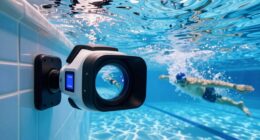

Saltwater pools generate chlorine automatically through electrolysis, providing a continuous, gentle sanitation that feels softer on your skin and eyes. In contrast, chlorine pools require you to manually add chemicals, which demands regular testing and adjustments to keep the water balanced. Saltwater systems tend to be lower maintenance over time, but they have higher initial costs. Understanding these differences helps you choose the best option for your pool, and there’s more to contemplate if you want an in-depth comparison.
Key Takeaways
- Saltwater pools generate chlorine automatically through electrolysis, offering steady levels; chlorine pools require manual chemical addition.
- Saltwater pools tend to be gentler on skin and eyes, providing a softer water feel compared to traditional chlorine pools.
- Maintenance for saltwater pools involves monitoring salt, pH, and stabilizer levels, while chlorine pools need frequent testing and chemical adjustments.
- Saltwater systems typically have higher initial costs but require less ongoing chemical handling; chlorine pools may be more time-consuming and costly over time.
- Overall, saltwater pools offer a more automated, lower-maintenance experience, whereas chlorine pools provide more control over chemical levels.
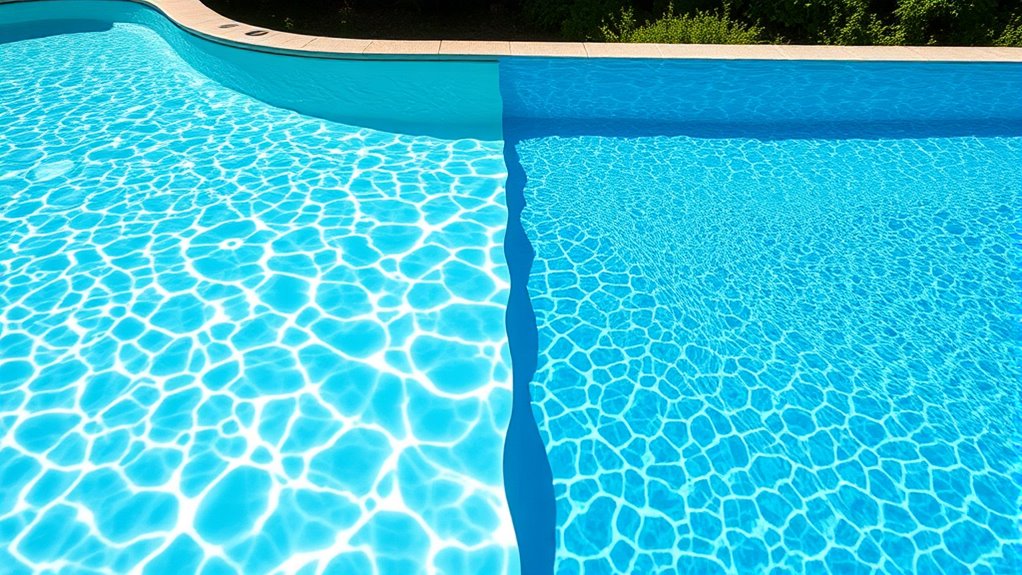
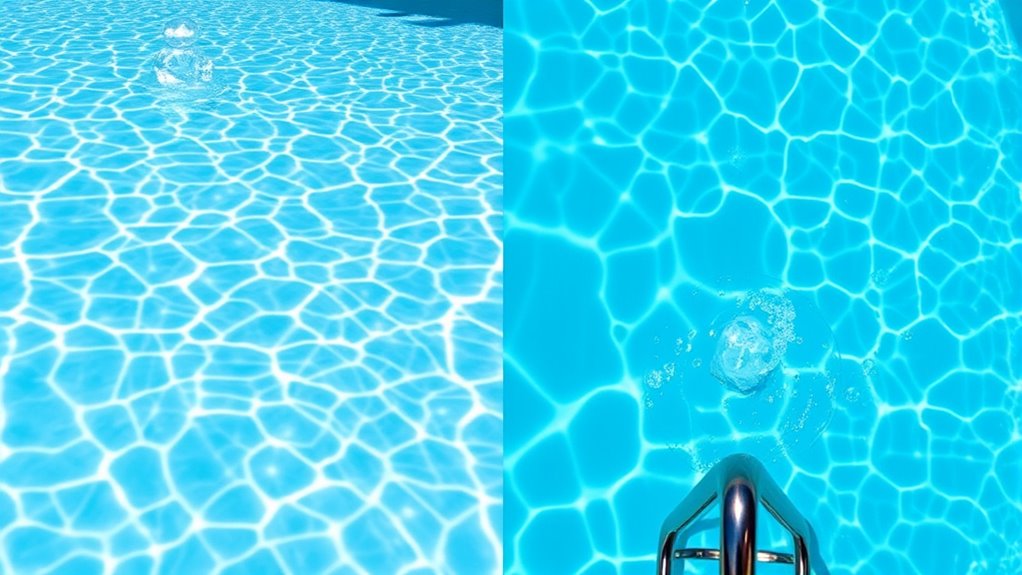
When choosing between a saltwater and a chlorine pool, understanding how each system works can help you make an informed decision. Both options use chlorine to sanitize the water, but they do so in different ways, impacting your pool maintenance routine and the overall chemical balance. Saltwater pools generate their disinfectant through a salt chlorinator, which converts salt into chlorine via electrolysis. This process produces a steady, low level of chlorine, making it easier to maintain a consistent chemical balance. In contrast, traditional chlorine pools rely on manually adding chlorine tablets, liquid, or granules, which can cause fluctuations in chemical levels if not carefully monitored.
Saltwater pools generate disinfectant through electrolysis, providing a steady chlorine level for easier maintenance.
With a saltwater system, you typically spend less time handling chemicals because the chlorinator continuously produces chlorine as long as the salt level is correct. This means fewer chemical adjustments, less handling of harsh chemicals, and a more stable water chemistry. However, it’s essential to regularly check the salt level, pH, and stabilizer to guarantee the system functions properly. Maintaining the right chemical balance in a saltwater pool is vital because imbalances can cause cloudiness, irritation, or equipment corrosion. Balancing pH, alkalinity, and salt levels is an ongoing task, but many find it simpler than managing chlorine levels manually. Additionally, understanding pool chemistry fundamentals can help you troubleshoot issues more effectively.
Chlorine pools, on the other hand, require more consistent testing and chemical addition. You’ll need to measure chlorine levels frequently and add more chemicals when necessary to keep the water safe and clear. This routine can be more time-consuming and sometimes more costly, especially if you prefer using higher-quality chlorine products. Additionally, chlorine pools often experience more noticeable fluctuations in chemical balance, which can lead to issues like algae growth if not carefully managed.
Another consideration is how each system affects your skin, eyes, and overall comfort. Saltwater pools tend to be gentler and less harsh, reducing irritation, and making swimming more comfortable. They also tend to have a softer feel due to the salt content, which many swimmers prefer. Meanwhile, traditional chlorine pools can sometimes cause dry skin and red eyes if chlorine levels are not properly maintained, especially during hot weather when evaporation rates increase.
Ultimately, your choice depends on your willingness to handle pool maintenance and your preferences for water feel and comfort. Saltwater pools offer a more automated approach with less chemical fuss but require initial investment and ongoing salt level management. Chlorine pools give you more control over chemical adjustments but demand more diligent testing and chemical handling. Both systems can produce clean, safe water when properly maintained, but understanding how each works helps you decide which fits your lifestyle and budget best.

INTEX 2,650 GPH Krystal Clear Sand Filter Pump and Saltwater Pool Chlorine System for Above Ground Pools, Pool Cleaner System with Automatic Timer
✔ FRESH AND CLEAN WATER – QX2600 uses sand for excellent filtration combined with the QS1200 saltwater system...
As an affiliate, we earn on qualifying purchases.
Frequently Asked Questions
Are Saltwater Pools More Cost-Effective Long-Term Than Chlorine Pools?
Saltwater pools are generally more cost-effective long-term because they require less frequent chemical purchases and maintenance. With a saltwater system, you’ll save on the ongoing cost analysis of buying chlorine and balancing chemicals. Over time, the reduced need for chemical refills and less equipment wear can lead to significant long-term savings. While the initial setup might be higher, the ongoing expenses tend to be lower, making saltwater pools more economical over time.
How Do Saltwater Pools Affect Skin and Eye Irritation?
Saltwater pools tend to tame irritation, making your skin softer and your eyes less itchy compared to traditional chlorine pools. The lower chlorine levels reduce skin irritation and eye discomfort, providing a more comfortable swim experience. However, some individuals might still experience minor sensitivities. Overall, saltwater pools help minimize these issues, offering a soothing, less harsh environment for your skin and eyes during every splash and swim.
Can Saltwater and Chlorine Pools Be Combined or Converted?
Yes, you can convert your pool to incorporate saltwater or combine saltwater and chlorine systems through pool conversion. Saltwater integration involves installing a salt chlorine generator, which produces chlorine from salt, making maintenance easier. This process allows you to enjoy the benefits of both systems, like softer water and fewer chemicals. Consult a professional for proper pool conversion to guarantee seamless integration and prime water quality.
What Maintenance Differences Exist Between Saltwater and Chlorine Pools?
Think of maintaining your pool like caring for a delicate garden. Saltwater pools often require less frequent pool sanitization because the salt generates ongoing sanitizer, but you’ll need to monitor salt levels and replace cell components for equipment durability. Chlorine pools need regular chlorine addition, so their maintenance mainly involves balancing chemicals. Overall, saltwater pools tend to have lower chemical costs and gentler effects on equipment, making upkeep a bit easier.
Are There Health Risks Associated With Saltwater Pools?
You might wonder about health concerns with saltwater pools, but generally, they’re safe if maintained properly. Saltwater pools can cause skin or eye irritation for some, especially if chlorine levels fluctuate. Water safety is vital; make certain proper sanitation and regular testing are carried out. While they reduce harsh chemical exposure, it’s important to monitor the water quality to prevent bacteria growth and keep your swimming experience safe and healthy.
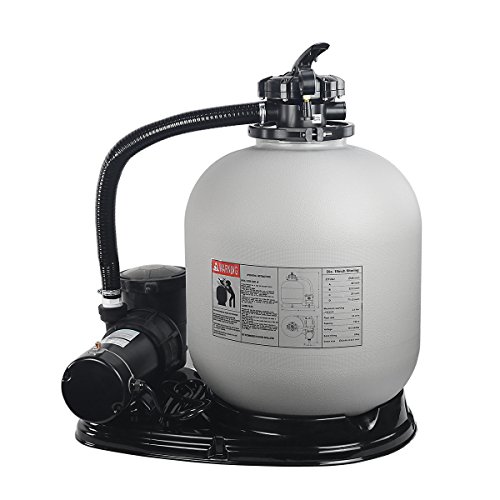
XtremepowerUS 19" Sand Filter 1.5HP Pump 4500 GPH Swimming Pumps System & Filters Combo Set Multi-Port Valve, for Domestic and Commercial Pools up to 18,000 Gallons Pool
Powerful, All-in-One Performance - With an impressive flow rate of 4,500GPH, 1.5HP sand filter pump is ideal for...
As an affiliate, we earn on qualifying purchases.
Conclusion
When choosing between saltwater and chlorine pools, consider how each affects your skin and maintenance routine. Did you know that saltwater pools typically have 30% fewer chemical additives? This can mean gentler water for your eyes and skin, plus less harsh chemical handling. Whether you prefer the smoother feel of saltwater or the traditional chlorine experience, understanding these differences helps you make an informed decision. Ultimately, pick the one that fits your lifestyle and keeps your swim enjoyable.

Intex 3000 GPH Sand Filter Pump with Built-In Timer and Krystal Clear Saltwater System Maintenance Set for Above Ground Outdoor Swimming Pools
Pool Maintenance Set: Bundle includes an Intex 26651EG 3000 GPH sand filter pump and a Krystal Clear saltwater...
As an affiliate, we earn on qualifying purchases.

INTEX 2,100 GPH Krystal Clear Sand Filter Pump and Saltwater Pool Chlorine System for Above Ground Pools, Pool Cleaner System with Automatic Timer
✔ FRESH AND CLEAN WATER – QX2100 uses sand for excellent filtration combined with the QS1200 saltwater system...
As an affiliate, we earn on qualifying purchases.