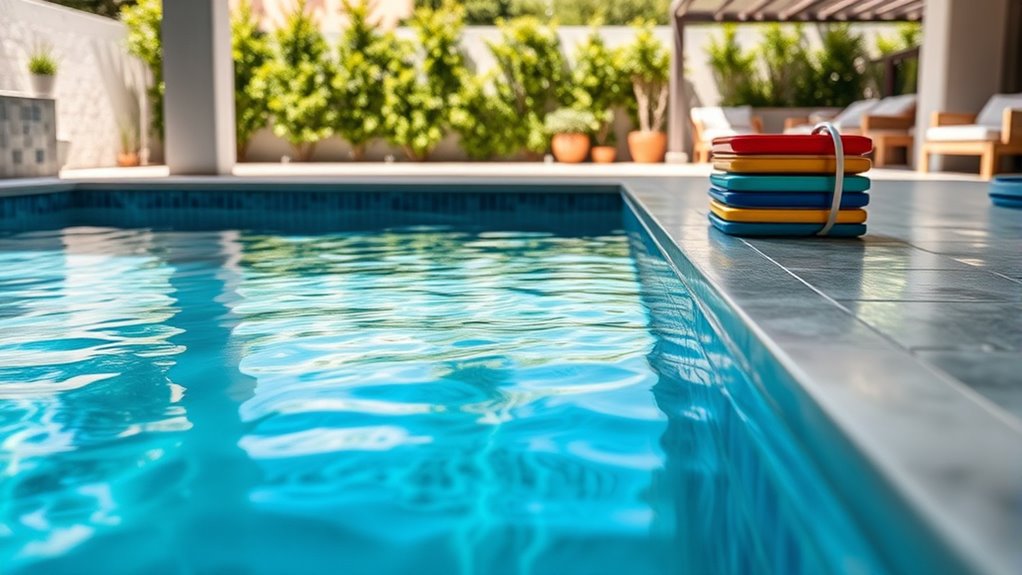

The cost to run a swim spa varies based on energy efficiency, maintenance habits, and how often you use it. Generally, you can expect to spend around $20 to $50 a month on electricity if you have an energy-efficient model and keep up with regular maintenance. Covering heat retention and cleaning can help lower expenses further. If you want to find out how to maximize savings and keep your costs in check, keep exploring the details.

Get pool and patio gear delivered free — and shop member deals
- Fast, free delivery on millions of items
- Access to Prime Big Deal Days deals on October 6–7
- Prime Video, Amazon Music and more included
Key Takeaways
- Running costs depend on energy efficiency features, insulation, and usage frequency, affecting electricity bills.
- Regular maintenance reduces long-term expenses by preventing costly repairs and ensuring optimal operation.
- Energy-efficient pumps and covers lower heat loss, decreasing overall energy consumption and costs.
- Budget for ongoing expenses by considering both initial purchase price and long-term energy and maintenance costs.
- Proper upkeep and choosing efficient models maximize your investment, minimizing unexpected expenses over time.
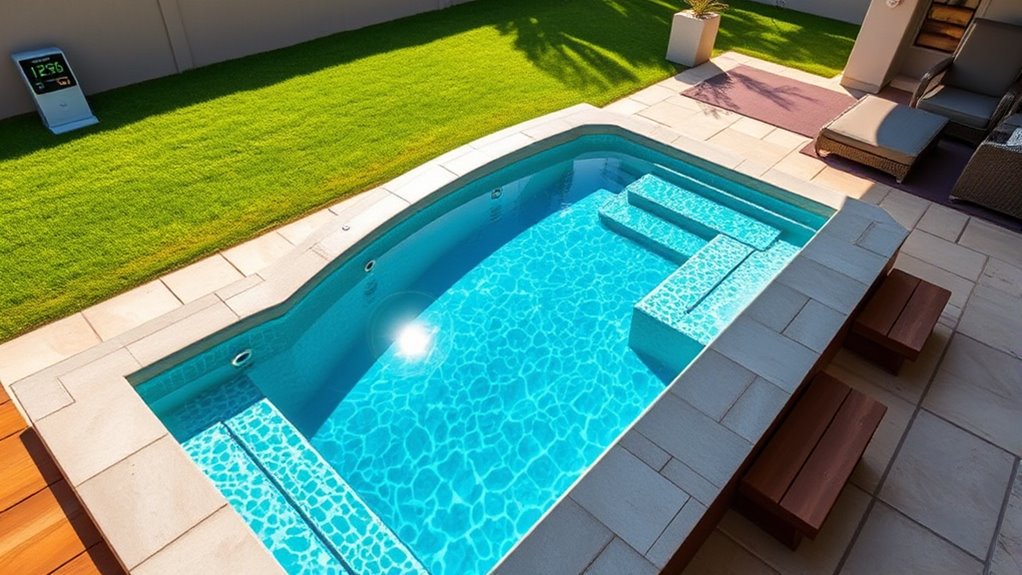
Running a swim spa involves more than just the initial purchase; ongoing costs can add up quickly. One of the biggest factors affecting your expenses is energy efficiency. Swim spas that are designed with energy efficiency in mind tend to use less power to keep the water heated and the jets running. Look for models with good insulation, energy-efficient pumps, and covers that retain heat well. These features can significantly reduce your monthly energy bills. If your swim spa isn’t energy-efficient, you might find yourself paying much more in the long run, especially if you plan to use it frequently. Investing in an energy-efficient model might cost more upfront, but it can save you hundreds over time by lowering your utility bills.
Maintenance costs are another key consideration. Like any appliance, a swim spa requires regular upkeep to keep it running smoothly and to prevent costly repairs. This includes cleaning filters, checking water chemistry, and balancing chemicals. Neglecting maintenance can lead to issues such as cloudy water, algae growth, or equipment failure, all of which can be expensive to fix. You’ll also need to budget for replacing parts like filters, heaters, or jets over time. Regular maintenance isn’t just about keeping the water clean; it’s about extending the life of your swim spa and avoiding larger, more costly repairs down the line. Many owners find that setting aside a small monthly amount for maintenance supplies and occasional professional service helps manage these ongoing costs.
Regular maintenance extends your swim spa’s lifespan and prevents costly repairs.
Energy efficiency and maintenance costs are interconnected because a well-maintained, efficient spa consumes less energy. Dirty filters or unbalanced water chemistry force the system to work harder, increasing energy use and wear on components. Conversely, a clean, properly maintained spa runs more smoothly and uses less power. To keep costs manageable, plan for routine upkeep and choose a model with high energy efficiency ratings. It’s also worth considering how often you’ll use your swim spa—more frequent use means higher energy and maintenance costs, but it also offers more value and enjoyment. Additionally, understanding the types of headphone jacks and their compatibility can enhance your experience if you plan to listen to music while enjoying your spa.
Ultimately, understanding these ongoing expenses helps you budget better and avoid surprises. While the initial price of a swim spa might be significant, factoring in energy efficiency and maintenance costs ensures you’re prepared for the true cost of ownership. Proper maintenance and choosing an energy-efficient model can make your swim spa more affordable to operate over its lifespan. Staying on top of these costs means you’ll get more enjoyment out of your investment without the stress of unexpected expenses.
Frequently Asked Questions
What Is the Average Lifespan of a Swim Spa?
Your swim spa typically lasts around 10 to 20 years, depending on usage and maintenance. Proper care can prolong its lifespan, especially with good swim spa warranties that cover key repairs. Keep in mind, pool heating costs can impact longevity if the spa isn’t well insulated. Regular maintenance and choosing quality equipment help ensure you get the most out of your investment for years to come.
Are There Energy-Efficient Swim Spa Models Available?
A penny saved is a penny earned, and that’s true for swim spas too. You’ll find energy-efficient models with cost-saving features that help lower your electricity bills. These models use advanced insulation and efficient pumps, making them a smart choice. By choosing an energy-efficient swim spa, you not only enjoy the benefits of your spa but also save money over time, proving that smart investments pay off.
How Often Should I Perform Maintenance on My Swim Spa?
You should perform regular maintenance on your swim spa to keep it running smoothly. Check water chemistry weekly to prevent issues and guarantee safe, clean water. Clean filters monthly and inspect equipment for any needed upgrades to improve efficiency. Regular maintenance helps extend your swim spa’s lifespan and reduces long-term costs. Staying on top of these tasks keeps your swim spa enjoyable and safe for every swim session.
Can I Install a Swim Spa Indoors?
Indoor installation offers privacy and convenience, but it also demands careful planning. You need to contemplate ventilation requirements to prevent humidity buildup and mold. Adequate airflow is essential for safety and comfort, so ensure your space has proper exhaust fans or ventilation systems. While installing a swim spa indoors is possible, it’s best to consult professionals to meet all safety standards and avoid potential issues with moisture damage.
What Are the Potential Hidden Costs of Owning a Swim Spa?
Owning a swim spa comes with some hidden expenses you might not expect. Besides the initial purchase, maintenance costs like replacing filters, balancing chemicals, and regular cleaning add up over time. You may also face hidden expenses such as energy costs for heating and running the pump, potential repairs, and upgrades. Being aware of these hidden expenses helps you budget properly and enjoy your swim spa without surprises.
Conclusion
Running a swim spa might seem costly, but consider this: the average monthly energy bill for owners is around $50 to $100. That’s less than many people spend on dining out or streaming services. With proper insulation and smart usage, you can enjoy your swim spa without breaking the bank. So, think of your investment as a great way to stay active and relax, all while keeping your energy costs under control.
Halloween Picks
halloween
As an affiliate, we earn on qualifying purchases.