
To keep kids safe around an endless pool, always supervise them closely and never leave them unattended. Install secure covers and lockable gates to prevent unsupervised access, and keep the area free of toys and clutter that could cause trips. Equip the pool with life jackets or floatation devices, educate your children about pool safety rules, and enforce them consistently. Practice emergency procedures and ensure safety equipment is ready—continue with larger safety tips to help safeguard your kids effectively.
Key Takeaways
- Always supervise children actively and stay within arm’s reach whenever they are in or near the Endless Pool.
- Install secure barriers like gates or covers and keep them locked when the pool isn’t in use.
- Enforce strict rules against swimming alone, running, or diving to prevent accidents.
- Use appropriate safety gear such as U.S. Coast Guard-approved life jackets and regularly inspect safety equipment.
- Maintain the pool water quality and keep the area free of clutter to ensure a safe swimming environment.
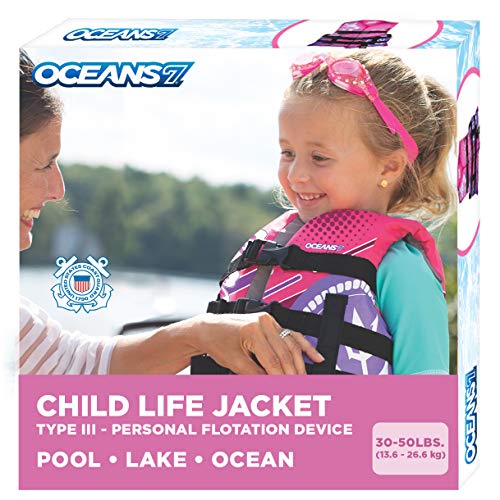
Oceans7 US Coast Guard-Approved Kids Life Jacket 30-50 lbs -Type III PFD Flexible-Fit Open-Sided Design Personal Flotation Device – Pink/Berry
- US Coast Guard Approved: Meets highest USCG safety standards
- Suitable for 33-55 lbs: Child-size PFD with adjustable fit
- Open-Sided Design: Flexible fit with adjustable straps
As an affiliate, we earn on qualifying purchases.
As an affiliate, we earn on qualifying purchases.
Always Supervise Children When They Are in or Near the Pool

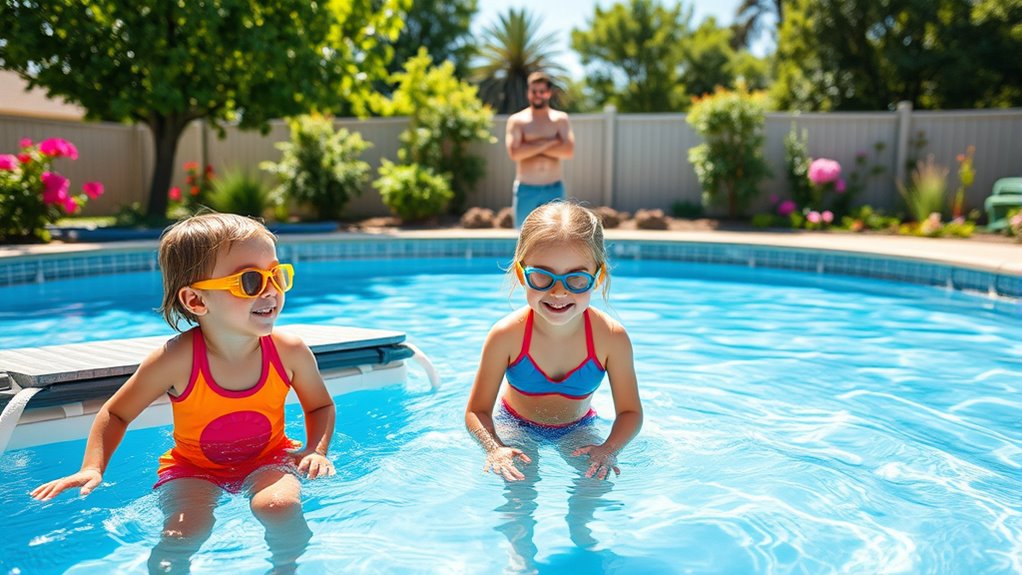
Because accidents can happen quickly, you must always supervise children when they are in or near the pool. Never leave them unattended, even for a moment. Active supervision means watching closely, staying within arm’s reach, and being alert at all times. Distractions like phones or conversations can lead to lapses in attention, so stay focused. Remember, drowning can occur silently and in seconds. Establish clear rules about pool use and make sure children understand that they should never swim alone or without adult supervision. Consistent supervision not only prevents accidents but also reassures children that they are safe. Your constant vigilance is the most effective way to keep kids safe around the pool. Additionally, understanding the importance of constant supervision can significantly reduce the risk of incidents and ensure a safer swimming environment.
Install a Secure Cover or Lockable Pool Access Gate
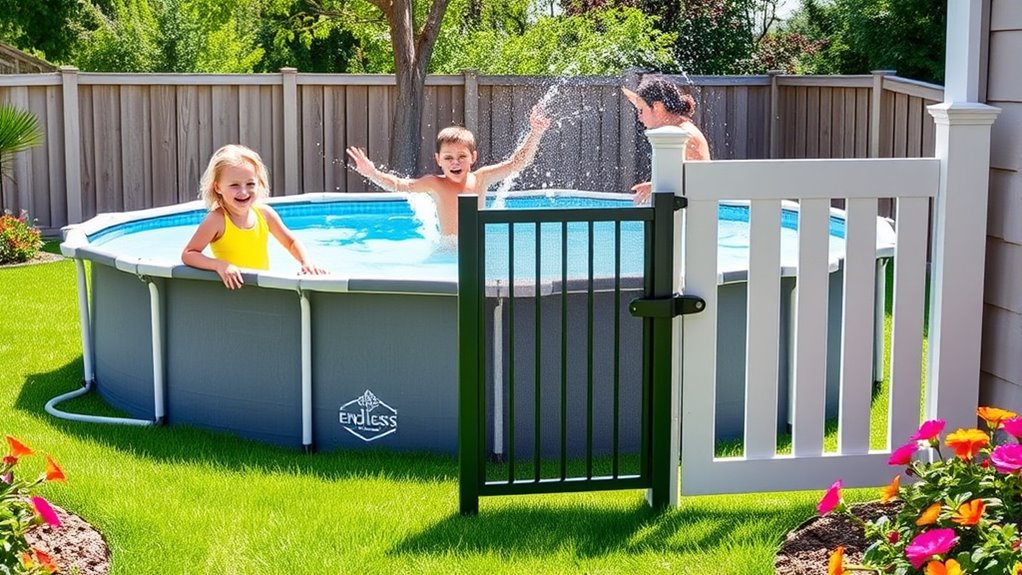
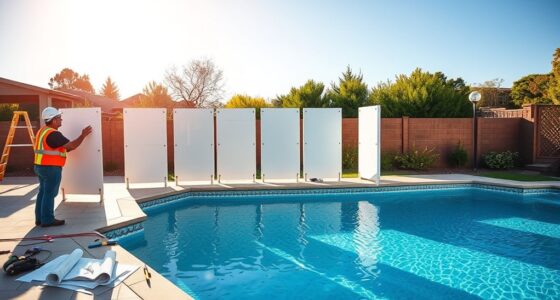
Installing a secure cover or a lockable gate around your pool adds an important layer of safety by preventing unsupervised access. A sturdy, lockable gate ensures children can’t enter the pool area without your permission, giving you peace of mind. When choosing a cover, opt for one made of durable, visible material that can support weight and withstand weather. Always keep gates latched and locked when the pool isn’t in use, and check that locks are functioning properly. These measures help eliminate accidental drownings by blocking easy access to the water. Remember, no safety feature replaces active supervision, but they do create an additional barrier to keep kids safe. Regularly inspect and maintain your cover and gate to ensure they remain secure. Understanding the importance of layered safety measures, such as active supervision, is essential for comprehensive pool safety.
Keep the Pool Area Clear of Toys and Clutter
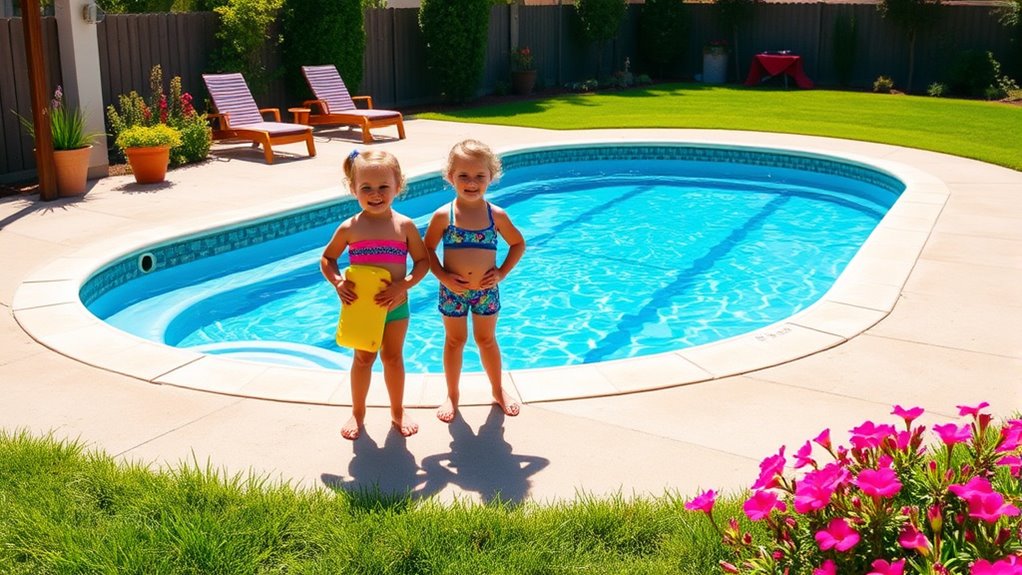
Keeping the pool area free of toys and clutter helps prevent accidents. Make sure you have a designated storage spot for toys, so they don’t end up in the water or on the deck. Regularly check the area to clear away any items that could cause slipping or tripping.
Designated Toy Storage
To make certain safety around the pool, it’s vital to establish a designated toy storage area that keeps the pool deck clear of clutter. By doing so, you reduce trip hazards and prevent accidental slips. Choose a sturdy bin or shelves nearby, but away from the water’s edge. Encourage kids to put toys away immediately after use to maintain a tidy environment. Consider labeling storage spaces to promote organization. Here’s a simple example:
| Toy Type | Storage Location |
|---|---|
| Inflatable Balls | Shelf next to the pool |
| Floaties & Goggles | Bin near the deck |
| Water Toys | Corner of the yard |
Keeping toys stored correctly minimizes distractions and helps guarantee everyone stays safe while enjoying the pool. Additionally, teaching children responsible behavior around the pool area fosters a safer environment for everyone.
Regular Area Checks
Regularly inspecting the pool area helps guarantee toys and clutter stay in their proper places, reducing hazards and keeping the space safe for everyone. Make it a habit to check the pool deck before and after each use, ensuring no toys or objects are left near the water. Remove any items that could trip or fall into the pool unexpectedly. Keep a designated storage spot for toys and encourage your kids to put things away after playing. Clutter can obscure hazards or cause slips, so staying vigilant minimizes risks. Periodic checks also help you spot potential issues, like loose cords or damaged equipment. By maintaining a tidy pool area, you create a safer environment that promotes responsible play and peace of mind for everyone involved.
Use Proper Safety Equipment, Such as Life Jackets and Pool Noodles
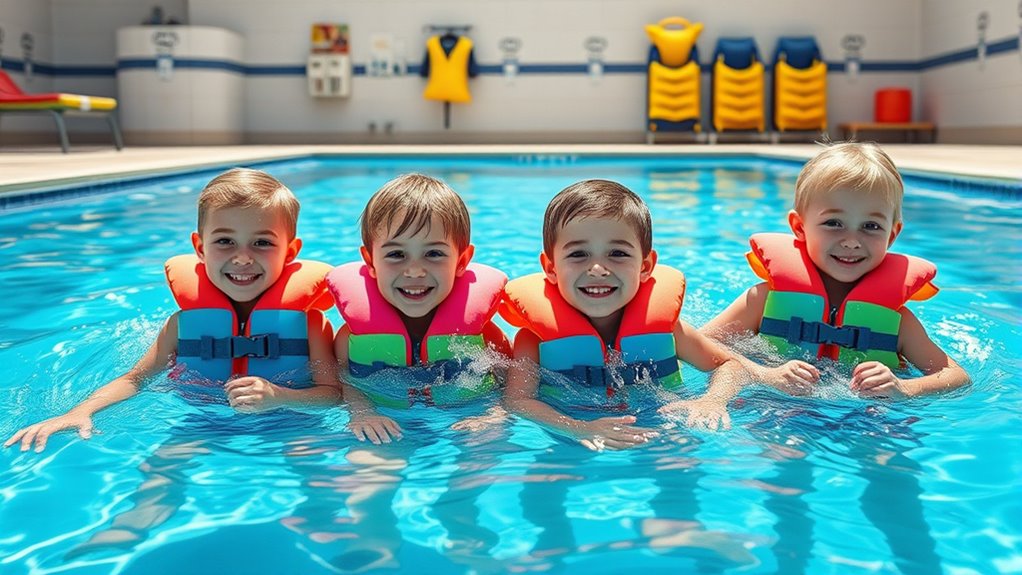
Using proper safety equipment is essential for keeping kids safe in the pool. Make sure you choose the right life jackets, use floatation devices correctly, and regularly check that all gear is in good condition. This simple step can make a big difference in preventing accidents.
Choose Appropriate Life Jackets
Choosing the right life jackets is essential for keeping kids safe in and around the pool. Guarantee the jacket fits snugly without restricting movement or causing discomfort. Look for U.S. Coast Guard-approved life jackets designed specifically for children’s weight and size. Check that the jacket has adjustable straps and a secure zipper or buckle to prevent slipping off. Avoid inflatable or toy-like floaties, as they don’t provide reliable safety. Instead, opt for properly fitted, sturdy life jackets that keep your child’s head above water and offer buoyancy in case of an emergency. Regularly inspect jackets for wear, tears, or damage, and replace them as needed. Properly chosen life jackets give you peace of mind while your kids enjoy pool time safely. Additionally, choosing the right safety app or equipment can further enhance your supervision and ensure quick response in case of emergencies.
Use Floatation Devices Properly
Proper use of flotation devices is essential for keeping kids safe in the pool. Always confirm that life jackets fit snugly and are Coast Guard-approved. When using pool noodles or other floatation aids, supervise your child closely to prevent overreliance on these devices. Floatation devices should never substitute adult supervision, but they can provide an extra layer of security. Teach your child how to properly wear and handle their life jacket, making sure straps are fastened securely. Avoid using damaged or worn-out devices, as they won’t provide adequate protection. Remember, flotation devices are tools to assist, not replace vigilant supervision. By properly selecting and using the right safety gear, you help create a safer swimming environment for your kids. Regularly inspect your child’s safety equipment to ensure it remains effective and reliable.
Regularly Inspect Safety Gear
Regularly inspecting safety gear guarantees that your child’s flotation devices and other equipment remain effective and reliable. Check life jackets for tears, frayed straps, or broken zippers before each use. Ensure pool noodles are free of cracks, tears, or mold, and that they float properly. Examine all safety gear for signs of wear or damage, replacing items as needed. Properly maintained equipment provides peace of mind and keeps your child safe during pool time. Don’t forget to verify that safety gear fits correctly—ill-fitting gear can be ineffective. Store safety devices in a dry, accessible place to keep them in good condition. Making these inspections part of your routine helps prevent accidents and ensures your child’s safety every time they swim.
Educate Children About Pool Safety Rules and Boundaries
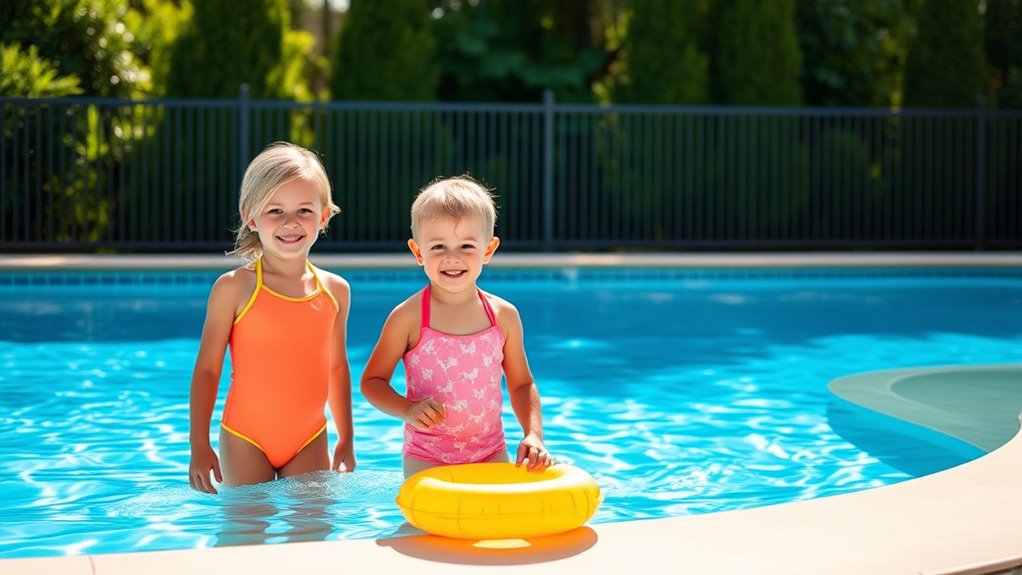
Teaching kids about pool safety rules and boundaries is essential to guarantee accidents and assure everyone has a fun, safe experience. Explain clear boundaries around the pool area, so they understand where they can and can’t go without supervision. Teach them not to enter the pool alone and highlight the importance of always swimming with a buddy. Make sure they understand that pushing or dunking other children is unsafe and should be avoided. Reinforce that they should never play near the drain or filter, which can be dangerous. Use simple language and consistent reminders to help your kids remember these rules. Regularly discuss safety boundaries to keep them fresh in their minds, fostering responsible behavior and minimizing risks around the pool. Incorporating vibrational awareness techniques can also help children develop a positive mindset towards safety and responsibility around water.
Maintain a Strict No-Running Policy Around the Pool Area

You need to enforce a strict no-running rule around the pool to prevent slip hazards. Always keep an eye on children to guarantee they follow this rule and stay safe. Consistent supervision helps minimize accidents and keeps everyone secure.
Prevent Slip Hazards
Since wet surfaces can quickly become slippery, enforcing a strict no-running policy around the pool area is vital. Children often forget how slick the ground gets after splashing or exiting the water. To prevent slips and falls, remind kids to walk carefully and avoid rushing. You can also improve safety by keeping the pool deck dry and promptly cleaning up spills. Using slip-resistant mats or textured surfaces adds extra grip. Here’s a quick guide to prevent slip hazards:
| Action | Benefit |
|---|---|
| Enforce no-running rule | Reduces slip and fall accidents |
| Keep area dry | Maintains traction |
| Use slip-resistant mats | Provides extra grip |
| Prompt spill cleanup | Prevents slipping |
Additionally, understanding precious metals can help in making informed investment decisions for long-term financial security.
Maintain Supervision Always
Maintaining constant supervision is essential to ensuring kids stay safe around the pool. Never leave children unattended, even for a moment. Keep your eyes on them whenever they’re near the water, and stay within arm’s reach for younger kids. Establish clear rules, such as no running or roughhousing, to prevent accidents. Enforce a strict no-running policy around the pool area, as slips and falls are common hazards. Make sure children understand that they shouldn’t dive or jump into the pool without supervision. Designate a responsible adult to monitor all pool activities at all times. Your vigilance can prevent emergencies and help kids enjoy the pool safely. Remember, active supervision is your best tool for keeping kids safe around water.
Ensure the Pool Water Is Properly Maintained and Clean

Regularly checking and balancing the pool’s chemical levels is essential to keep the water safe and clear. You should test the water daily to guarantee proper pH, chlorine, and alkalinity levels. When these are off, bacteria and algae can thrive, making the water unsafe for kids. Maintain proper chlorine levels to disinfect the water effectively, but avoid over-chlorinating, which can cause skin irritation. Clean the filter regularly to remove debris and contaminants that can cloud the water and reduce filtration efficiency. Additionally, skim the surface for leaves and debris, and vacuum the bottom as needed. Keeping the water clean not only protects your children’s health but also prolongs the life of your pool equipment. Regular maintenance creates a safe, inviting swimming environment. Monitoring chemical balance helps prevent bacteria growth and ensures the water remains safe for children.
Set Up an Alarm System for Pool Entry or Exit
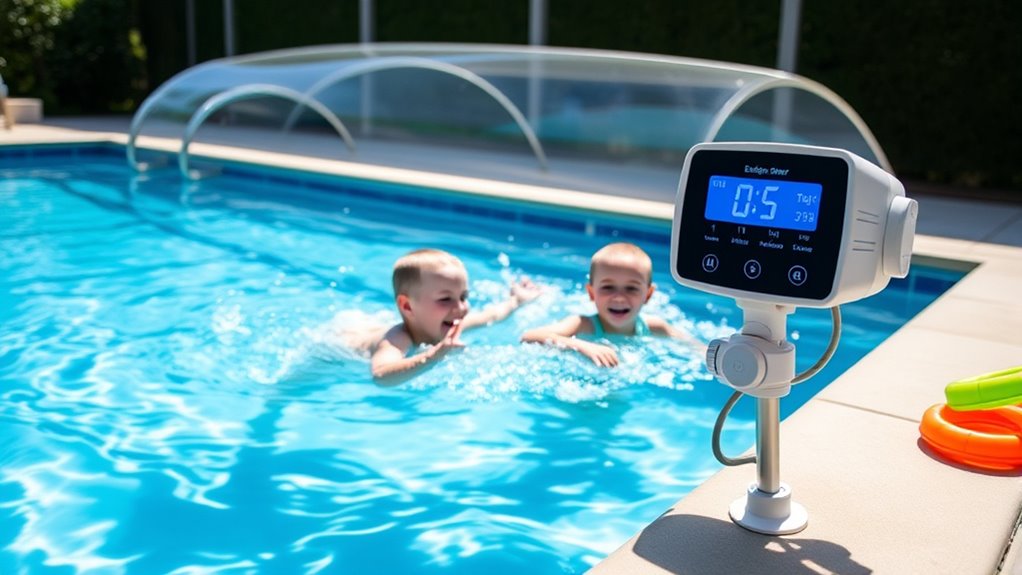
To keep your kids safe around the pool, setting up an alarm system that detects entry or exit is a highly effective safety measure. Install sensors on doors, gates, or pool covers that trigger an alert whenever someone enters or leaves the pool area. Choose alarms that are loud enough to be heard from inside your home, ensuring you’re immediately aware of any unauthorized access. For added security, consider wearable alarms or pool alarms that activate if someone enters the water unexpectedly. Regularly test and maintain these systems to make sure they’re functioning properly. This proactive approach helps prevent accidental drownings by alerting you instantly if a child approaches or enters the pool without supervision. Understanding water quality and proper maintenance of safety devices can further enhance your pool safety plan.
Establish Clear Rules for Pool Usage and Enforce Them Consistently
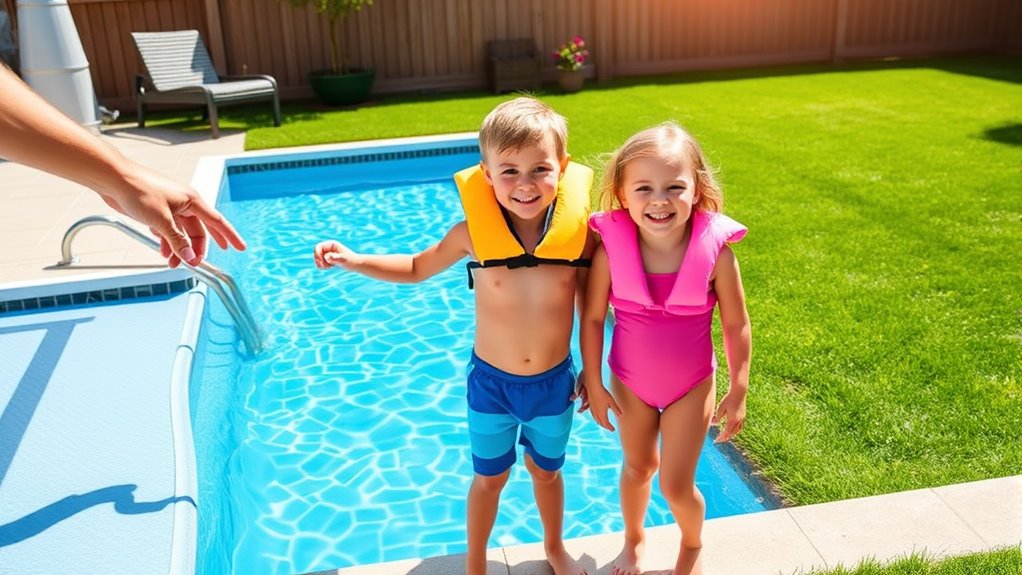
Setting clear rules for pool use is essential to keep everyone safe and prevent accidents. Make sure your kids understand that the pool is only for supervised play and that they shouldn’t dive or run around the pool area. Establish guidelines about not swimming alone and always staying within sight of an adult. Consistently enforce these rules, so your children know they’re serious. Use simple language and explain why each rule matters—safety first. Post the rules in a visible spot near the pool, and review them regularly. If a rule is broken, address it immediately and calmly. This consistent enforcement helps your kids develop good habits and understand boundaries, reducing the risk of accidents and ensuring a safer swimming environment for everyone. Additionally, fostering a digital-friendly environment at home can help children understand safety rules both online and offline, promoting overall well-being.
Limit Pool Access to Children Who Are Strong Swimmers or Under Close Supervision

Making sure your kids only access the pool when they’re strong swimmers or are closely supervised helps prevent accidents. If your children aren’t confident in their swimming skills, keep them out of the water unless a responsible adult is watching them closely. Never assume they’re safe just because they’ve taken swimming lessons; always assess their ability and comfort level. Designate a clear adult supervisor to monitor kids in or near the pool at all times, avoiding distractions like phones or conversations. Limit pool access to children who have demonstrated they can swim confidently and safely. This reduces the risk of drowning or injury. Remember, even experienced swimmers need supervision in an Endless Pool, especially if they’re tired or distracted. Safety always comes first.
Practice Emergency Preparedness and Have Safety Equipment Ready
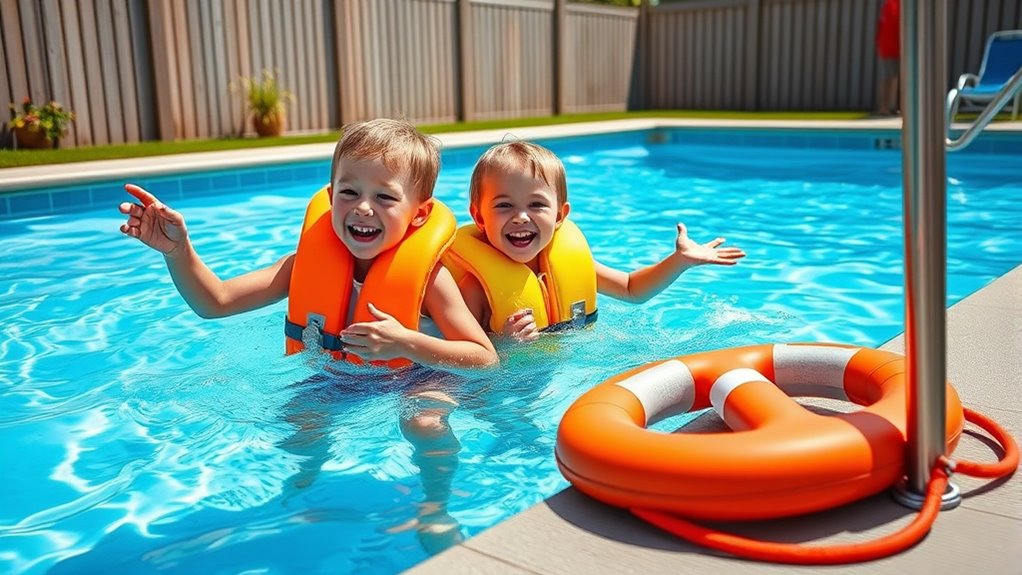
Since emergencies can happen unexpectedly, it’s crucial to practice emergency preparedness and keep safety equipment readily accessible. You should ensure first aid kits, rescue equipment like reaching poles, and flotation devices are within easy reach near the pool. Teach your kids what to do if they notice trouble, such as calling for help or alerting an adult. Practice basic rescue drills with your children so they know how to respond calmly. Keep emergency contact numbers visible and programmed into your phone. Regularly check that safety equipment is in good condition and replace expired items. Being prepared reduces panic and delays during an emergency, helping you respond quickly and effectively to keep your children safe.
Regularly Review and Update Safety Protocols as Kids Grow and Skills Improve

As children grow and develop new swimming skills, it’s essential to regularly review and update your pool safety protocols. Their abilities and understanding change, so what worked before might not be enough now. Reassess safety rules, such as supervision requirements and permissible activities, to match their current skills. If your child has learned advanced strokes or water safety techniques, update your guidelines accordingly. Consider installing additional safety features or alarms if necessary. Communicate these updates clearly to your child and anyone else supervising them. Regularly practicing emergency procedures and reviewing safety measures guarantees everyone stays prepared. Staying proactive and attentive to your child’s development helps prevent accidents and keeps your Endless Pool a safe environment for growth and fun.
Frequently Asked Questions
How Can I Involve Kids in Learning Pool Safety Rules Effectively?
You can involve kids in learning pool safety rules by making it fun and interactive. Use colorful charts, videos, or games to teach them important rules, like never swimming alone or staying away from drains. Practice safety routines together regularly, and encourage questions to guarantee they understand. Reinforce lessons with positive praise when they follow the rules, helping them develop good habits and confidence around the pool.
What Are the Best Ways to Teach Kids About Pool Hazards?
You can teach kids about pool hazards by using simple, clear language and engaging visuals. Show them real-life examples or videos of safe and unsafe behaviors. Encourage questions and discussions to reinforce understanding. Practice safety drills regularly, like what to do if they fall in. Supervise and stay involved, making safety a fun and routine part of pool time. Consistent, hands-on teaching helps kids recognize hazards and stay safe.
How Do I Choose Appropriate Safety Equipment for Different Ages?
You can’t be too careful when selecting safety equipment, so always match gear to your child’s age and skill level. For infants, opt for snug-fitting life jackets and pool alarms. As kids grow, introduce swim vests and floaties, then move to more advanced gear like back-up safety ropes. Remember, safety equipment is only part of the puzzle—constant supervision is your best defense. As the saying goes, “Better safe than sorry.”
What Signs Indicate My Child Is Ready to Swim Unsupervised?
You’ll know your child is ready to swim unsupervised when they consistently demonstrate strong swimming skills, understand water safety rules, and can float or tread water confidently. They should also show maturity and responsibility, following safety instructions without prompting. Additionally, your child should be comfortable in the water, not easily distracted, and able to respond calmly in emergencies. Always assess their readiness carefully before allowing unsupervised swimming.
How Often Should Safety Protocols Be Reviewed and Updated?
Think of safety protocols as a garden that needs regular tending. You should review and update them at least every six months, or immediately if your child’s swimming skills improve, or if there are changes to equipment or household rules. Regularly revisiting these guidelines keeps everyone on the same page, ensuring your little swimmer stays safe. Consistent checks help prevent surprises, making the pool a place of fun and safety.
Conclusion
By staying vigilant and following these safety rules, you create a safe space where your kids can enjoy the pool without worry. Sometimes, it’s the smallest precautions—like keeping toys away or having safety gear ready—that prevent accidents. Remember, safety measures aren’t just guidelines; they’re your best chance to keep your children safe while they make wonderful memories. After all, a little extra caution today can mean a lifetime of happy, worry-free swimming tomorrow.