TL;DR

Get pool and patio gear delivered free with Prime
- Fast, free delivery on millions of items
- Prime Video, Amazon Music and more included
- Member-only deals all year
A Laidback Gardener report published Oct. 18 says fall cleanup should focus on specific garden needs rather than clearing every leaf and stem. Its seven suggested tasks include removing material when it may spread disease or unwanted seeds, moving debris out of the way, bringing in tender plants and handling other seasonal maintenance selectively.
A Laidback Gardener report published Oct. 18 recommends a selective approach to fall garden cleanup: address specific problems, such as diseased leaves, unwanted seed spread or debris on walkways, while leaving useful leaves and stems in place. The advice matters to gardeners preparing for winter because it distinguishes necessary maintenance from a full seasonal clearing that the report says is often unnecessary.
The report’s central recommendation is to ask what problem a cleanup task will solve before pruning, raking or removing plant material. Ornamental grasses can feed the soil, provide wildlife shelter and add texture to the fall garden. Those benefits do not mean everything should remain where it falls: debris may need attention if it creates a safety issue, blocks lawn light or contributes to a particular plant problem.
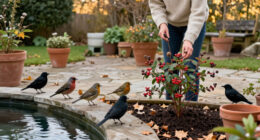
For disease management, the report advises identifying the issue before removing plants or plant parts. It gives rose leaves affected by black spot as an example of material that may be worth collecting to reduce infected debris left over winter. By contrast, late-season powdery mildew on a perennial nearing dormancy may not, by itself, justify cutting the plant back. The report also says removal can be limited to the affected aboveground portion when appropriate.
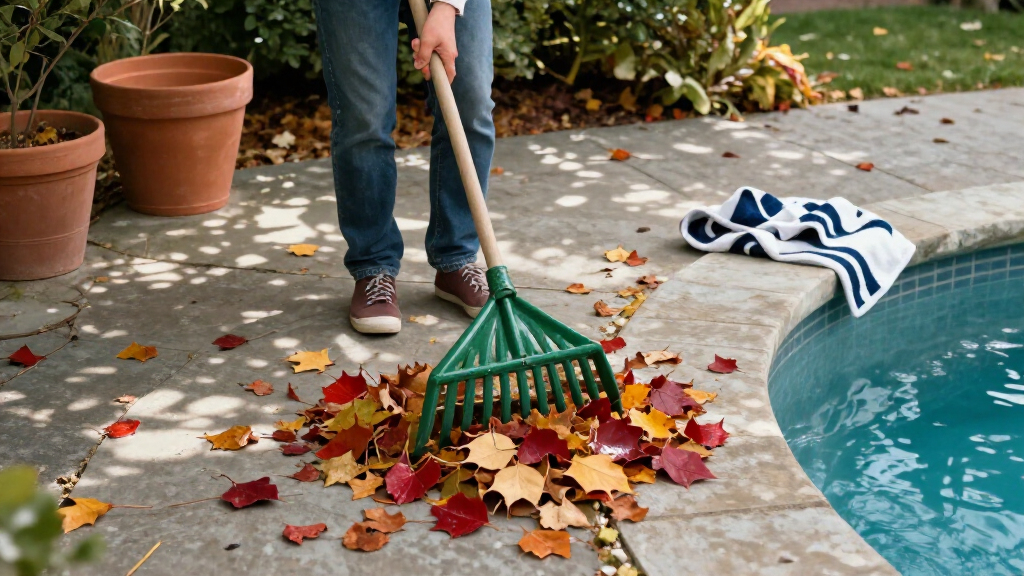
Seed control is another reason for targeted work. Plants such as borage, dill and cosmos can produce many seedlings; gardeners who do not want volunteers can remove flower heads before seeds mature and disperse. For leaves, the report suggests mowing over a light covering on lawns, moving excess away if it blocks sunlight, and relocating leaves from steps, decks or driveways to beds, compost or another suitable area, as in this guide to clearing patio leaves. Large leaves can be shredded to help them break down and reduce the chance they will blow away.
A Lighter Cleanup Can Still Work
The guidance offers gardeners a practical way to balance winter preparation with soil health and wildlife habitat. Removing every fallen leaf and dried stem can discard material that may instead decompose in beds or provide shelter. Leaving everything untouched, however, is not the recommendation: leaves on stairs can create a hazard, a heavy layer on grass can block light, and some plant material may warrant removal because of disease or unwanted self-seeding.
The distinction is useful because it turns fall cleanup from a blanket chore into a series of decisions based on location and purpose. Gardeners can keep paths clear and protect plants that cannot withstand local winter conditions without stripping beds of all organic matter. The report frames this as targeted maintenance, not as a universal rule that every garden should be left alone.
As an affiliate, we earn on qualifying purchases.
From Skipped Chores to Targeted Tasks
The report follows an earlier Laidback Gardener article, Fall Cleanup: 7 Things Not to Do in the Garden, which argued that cutting back flower beds, removing all plants, collecting every leaf and turning soil are often unnecessary. The Oct. 18 article adds that doing less does not mean abandoning the garden until spring; work may still be warranted depending on the plants, conditions and problems present.
Its examples focus on managing existing material rather than treating it all as waste. Leaves can be moved from hard surfaces to garden beds, while stems that have fallen across a path can be cut and relocated to a less-used area. The report also notes that vegetable-garden disease prevention may depend on crop rotation and disease-resistant varieties, not cleanup alone.
“What problem am I trying to solve by removing this?”
— Laidback Gardener report
Advice Depends on Garden Conditions
The report presents general guidance, not a plant-by-plant diagnosis or a schedule tailored to a particular region. Whether material should be removed can depend on the disease involved, the plant’s condition, local climate and whether seeds are wanted. The source does not specify a complete list of the seven tasks in the supplied excerpt, which ends partway through its section on bringing outdoor houseplants indoors.
Its temperature guidance is also framed generally: the report says to start thinking about bringing houseplants inside when nighttime temperatures begin falling below 10°C (50°F). It does not set out a species-specific threshold or address every local variation. Gardeners should not assume that one temperature or cleanup practice applies to all plants.
Prepare Plants and Paths for Winter
As temperatures fall, gardeners can begin with the immediate needs described in the report: clear leaves from steps and other walking surfaces, check whether lawn leaves are thick enough to block sunlight, and identify plant material that could cause a specific problem. Leaves and stems that do not need to be removed can be moved to a more useful spot instead of being discarded.
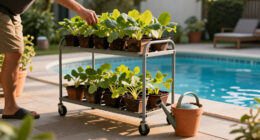
Gardeners should also identify outdoor houseplants, tropical plants and tender bulbs or tubers that cannot remain outside through winter in their climate. The report says these may be brought into shelter, while cautioning against trying to save every plant. The supplied material does not provide the rest of that section or a full checklist of all seven tasks, so further plant-specific instructions are not confirmed here.
Key Questions
Does the report recommend removing all fallen leaves?
No. It says leaves can benefit soil and recommends leaving or reusing them where appropriate. Remove or move excess if it blocks sunlight on the lawn or collects on steps, decks or driveways.
When does the report say to bring houseplants indoors?
It says to start thinking about bringing them in when nighttime temperatures begin dropping below 10°C (50°F). This is general advice in the report, not a species-specific rule.
Should diseased plants always be cut back in fall?
No. The report says disease does not automatically mean a plant or all affected parts must be removed. It recommends identifying the problem first and gives rose leaves with black spot as an example of material that may be worth collecting.
How can gardeners limit unwanted seedlings?
For plants that spread by seed, such as borage, dill or cosmos, the report advises cutting off flowers or seed heads before seeds mature and disperse if new seedlings are not wanted.
Source: rss
Evergreen bestsellers Picks
bestsellers
As an affiliate, we earn on qualifying purchases.