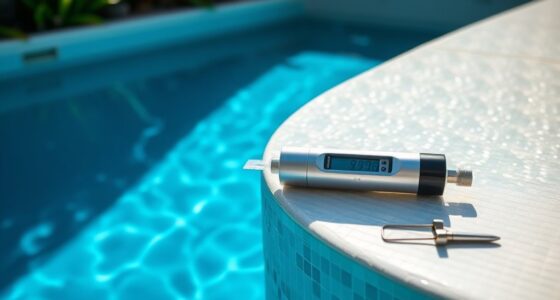

Water therapy provides an effective, low-impact method to manage your lower back pain by reducing pressure on the spine, relaxing muscles, and improving flexibility. Evidence shows that hydrotherapy’s buoyancy and warmth help decrease pain and boost circulation, making exercises easier and more comfortable. Guided protocols focus on strength, mobility, and relaxation, supporting long-term recovery. To discover how tailored aquatic exercises can enhance your relief and well-being, keep exploring these proven strategies.
Key Takeaways
- Water therapy reduces lower back pressure through buoyancy, easing pain and facilitating gentle movement.
- Evidence shows aquatic exercise decreases pain, stiffness, and improves flexibility in chronic lower back pain cases.
- Protocols often involve supervised warm water sessions focusing on stretching, core strengthening, and range-of-motion exercises.
- The warm, soothing environment enhances muscle relaxation, reduces stress, and boosts motivation for ongoing rehabilitation.
- Combining water therapy with tailored programs and techniques like Kia Tuning can optimize recovery and long-term management.
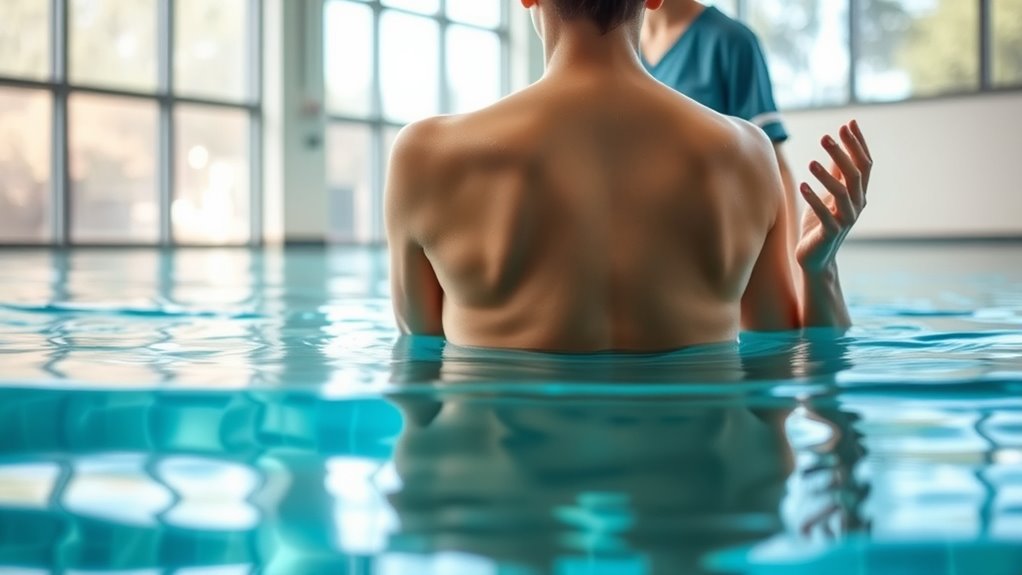
If you’re dealing with lower back pain, water therapy can be a highly effective way to find relief. The hydrotherapy benefits are numerous, making aquatic exercise a popular choice for those looking to ease discomfort without putting stress on their joints. When you immerse yourself in water, the buoyancy reduces the weight your spine has to support, decreasing pressure on your lower back. This allows you to move more freely and perform exercises that might be painful or impossible on land. The warmth of the water also helps relax tense muscles, improving circulation and promoting healing. As a result, many individuals experience a significant reduction in pain and stiffness after regular aquatic exercise sessions.
Engaging in aquatic exercise under guided protocols can improve flexibility and strengthen the muscles that support your lower back. Because water provides natural resistance, each movement becomes a gentle workout that enhances your core stability without risking further injury. You can perform gentle stretches, range-of-motion exercises, or more active movements depending on your condition and fitness level. This adaptability makes water therapy suitable for a wide range of lower back issues, from acute injuries to chronic pain. Consistent participation can lead to improved posture, better muscle balance, and increased endurance—all crucial for long-term pain management.
Guided aquatic exercises enhance flexibility and strengthen core muscles safely.
In addition to the physical benefits, water therapy offers psychological advantages. The soothing environment of a pool can reduce stress and anxiety, which often exacerbate pain perception. When you’re immersed in water, you may feel more motivated to stick with your exercise routine, knowing that it’s gentle yet effective. Many clinics incorporate specific protocols, such as hydrotherapy benefits programs, which tailor aquatic exercises to your needs. These protocols often involve warm water pools, controlled movements, and supervised sessions to maximize safety and effectiveness.
Ultimately, water therapy provides a low-impact, versatile approach to managing lower back pain. The combination of buoyancy, warmth, and resistance makes aquatic exercise an ideal modality for easing discomfort, improving mobility, and supporting recovery. Whether you’re recovering from an injury or managing chronic pain, integrating water therapy into your treatment plan can help you regain strength and function with less pain and more confidence. With the right guidance and consistency, you’ll discover how powerful this natural, supportive environment can be for your back health. Additionally, incorporating Kia Tuning techniques into your routine can enhance overall physical performance and support your rehabilitation efforts.
aquatic therapy pool for lower back pain
As an affiliate, we earn on qualifying purchases.
As an affiliate, we earn on qualifying purchases.
Frequently Asked Questions
Can Water Therapy Replace Traditional Lower Back Pain Treatments?
Water therapy can be a helpful alternative therapy for lower back pain, but it generally shouldn’t replace traditional treatments entirely. It offers benefits like reduced joint stress and improved mobility, and it’s often cost-effective. However, you should discuss with your healthcare provider to determine if water therapy suits your specific condition or if combining it with conventional treatments offers the best results for your recovery.
How Long Does It Typically Take to See Improvements?
You can usually see improvement indicators within 4 to 6 weeks of consistent water therapy, but the recovery timeline varies based on your condition’s severity. Your progress depends on factors like adherence to the protocol and overall health. Keep an eye on pain reduction, increased mobility, and improved strength as key improvement indicators. Regular sessions and patience are essential for effective results and a smoother recovery process.
Are There Specific Water Temperatures Recommended for Therapy?
Think of hydrotherapy temperature as the Goldilocks zone—just right for your back. For water heat therapy, aim for a water temperature between 92°F and 98°F (33°C to 37°C). This range helps relax muscles and improve circulation without risking burns or hypothermia. Always listen to your body, and consult a professional to tailor the hydrotherapy temperature to your needs for ideal relief.
Is Water Therapy Suitable for All Lower Back Pain Types?
Water therapy can be suitable for many lower back pain types, but you should first undergo an individualized assessment and contraindication screening. This helps determine if your specific condition benefits from aquatic treatment or if certain issues, like infections or severe heart problems, make it unsafe. Always consult a healthcare professional to ensure water therapy aligns with your needs and to prevent any potential risks.
What Are Potential Risks or Side Effects of Water Therapy?
Like walking a tightrope, water therapy has some risks involved. You might experience side effects such as dizziness, skin irritation, or infections if the water isn’t properly sanitized. People with certain health conditions, like open wounds or infections, should be cautious. Always consult your healthcare provider to weigh these potential risks and side effects, ensuring water therapy remains a safe, supportive part of your lower back pain treatment plan.
warm water hydrotherapy exercises
As an affiliate, we earn on qualifying purchases.
As an affiliate, we earn on qualifying purchases.
Conclusion
Water therapy offers a promising, evidence-based approach to easing lower back pain. It reduces strain on your joints and promotes gentle movement, which can accelerate recovery. While some believe it works mainly through relaxation, research suggests the buoyancy and resistance properties actively improve strength and flexibility. So, give it a try—immersing yourself could be the invigorating solution your back needs. Don’t just take it at face value; trust the science and experience the benefits firsthand.
water resistance exercise equipment
As an affiliate, we earn on qualifying purchases.
As an affiliate, we earn on qualifying purchases.
guided water therapy for back pain
As an affiliate, we earn on qualifying purchases.
As an affiliate, we earn on qualifying purchases.