
TL;DR

Get pool and patio gear delivered free with Prime
- Fast, free delivery on millions of items
- Prime Video, Amazon Music and more included
- Member-only deals all year
A Country Living gardening report outlines three autumn measures that may help limit slug and snail damage to hostas next spring: remove yellowing or withered leaves, look for overwintering pests and eggs, and put copper tape around container rims. The steps are deterrents, not a way to eradicate slugs and snails; copper does not kill them or reduce their numbers.
Country Living has published three autumn steps gardeners can take to help limit slug and snail damage to hostas next spring: remove yellowing or withered leaves, check for overwintering pests and eggs, and fit copper tape around pots. The advice focuses on reducing shelter and creating a barrier; it does not promise eradication, and copper does not kill the pests.
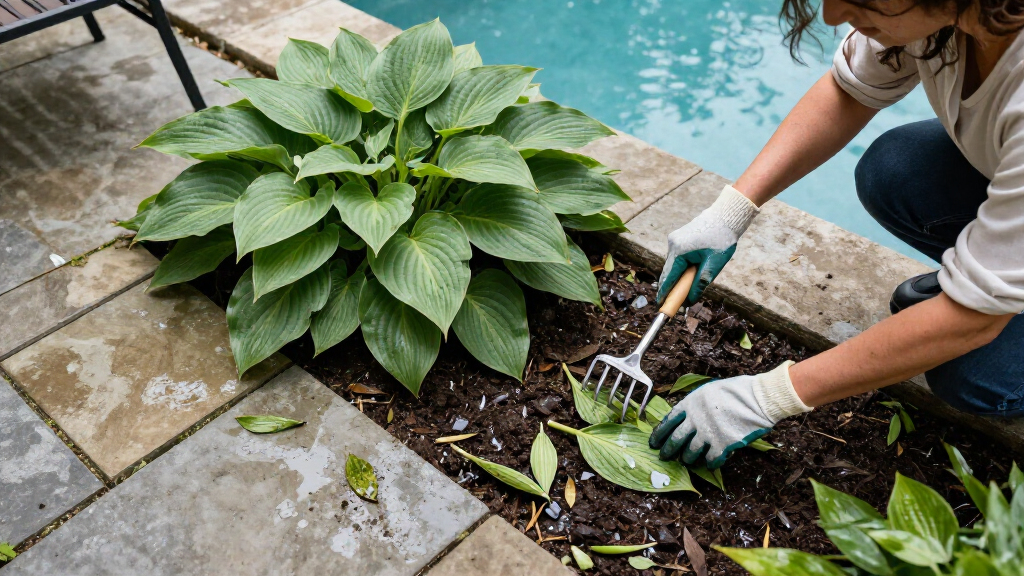
The report says autumn is a period when slugs and snails may lay eggs around hostas, where foliage and nearby material can offer shelter. It recommends using a rake to reach between plants and cutting back yellowing or withered leaves. Soft, mushy leaves can be pulled off and discarded or composted, according to the report.
Gardeners can also inspect sheltered spots near hostas, including the undersides of pots, bricks, logs and boards, for snails and clusters of clear, bead-like eggs. The report recommends hand-picking snails at night. It also suggests clearing some topsoil around the plants to disturb pests that may overwinter there, though it gives no measured estimate of how much this reduces their numbers.
For hostas growing in containers, the third step is to wrap copper tape completely around the pot rim. Andrew Salisbury, head of plant health at RHS Garden Wisley, says copper has an irritating and repellent effect on slugs and snails. He cautions that it does not kill them or reduce their numbers, and says barriers should be kept clear of debris.
Reducing Shelter Before Spring
The practical aim is to make hosta beds and containers less inviting during the period before new growth appears. Removing older foliage and checking nearby hiding places may reduce sheltered spots where gardeners find pests or eggs. Copper tape offers a separate measure for container-grown hostas, but it is a barrier rather than pest control that lowers population.
The advice matters to gardeners planning autumn cleanup because the work can be done before spring damage becomes visible. Results are not guaranteed: the report acknowledges that removing every slug or snail is difficult, and it does not provide trial data showing how much damage these steps prevent.
Products Worth Considering

PHILIPS Hue Smart LED Candle Light Bulb, B39, E12, 2-Pack

Philips Hue White and Color Ambiance Smart Light Starter Kit, 2 A19 Bulbs with Hub

Bose SoundLink Plus Portable Bluetooth Speaker, Wireless Outdoor Speaker, Up to 20 Hours Battery Life, Waterproof and Dustproof, Black
As an affiliate, we earn on qualifying purchases.
Why Autumn Cleanup Is Timed Now
Hostas are grown for their foliage, which returns seasonally, while slugs and snails can feed on leaves and shelter around the plants. The report says cooler temperatures and steady rainfall make autumn a peak period for egg-laying around hostas. That seasonal timing underpins its recommendation to inspect beds and containers before winter.
Garden designer Andrew Marshall, founder of Go Wild Landscapes in Oxford, says the plants provide shelter and can be warmer than surrounding areas. He describes older growth as favorable to the pests, which may then move to another hiding place. The report offers this as expert guidance, not as a quantified finding from a controlled study.
“Slugs and snails love to hide around these plants as they provide great shelter as well as being a few degrees warmer than elsewhere.”
— Andrew Marshall, founder of Go Wild Landscapes in Oxford
Limits of the Suggested Measures
The report does not quantify how much any of the three steps reduces hosta damage, nor does it cite a test comparing treated and untreated plants. It also does not specify how much topsoil to clear or whether doing so is appropriate for every planting situation. Its central caveat is that complete removal of slugs and snails is not realistic.
Copper tape’s performance may depend on how it is fitted and maintained. Salisbury’s guidance is to keep it free of debris and make sure it fully encircles a container. The report does not claim that copper tape protects hostas planted directly in the ground.
Inspect Beds and Pot Barriers
Gardeners following the report can begin by removing yellowing and withered leaves, then inspect soil and objects near hostas for snails or egg clusters. For potted plants, they can check that copper tape forms a complete, clean ring around each rim. These are preventive actions for the coming winter, not a guarantee against feeding next spring.
As hostas begin growing again, gardeners will be able to see whether damage occurs and decide whether further measures are needed. The report provides no follow-up results or date for a later assessment, so the effectiveness of these steps for individual gardens remains to be seen.
Key Questions
What are the three recommended steps?
Remove yellowing or withered leaves, inspect nearby sheltered places for snails and eggs, and put copper tape around the rims of hosta pots.
Does copper tape kill slugs and snails?
No. RHS Garden Wisley’s Andrew Salisbury says copper has a repellent effect but does not kill the pests or reduce their numbers. The tape should fully encircle the pot and remain free of debris.
Where should gardeners look for overwintering snails or eggs?
The report suggests checking protected soil around hostas and the undersides of pots, containers, bricks, logs and boards nearby. It describes the eggs as clear and bead-like.
Will these steps prevent all hosta damage next spring?
No guarantee is given. The report says it is impossible to eradicate all slugs and snails through these measures and provides no data quantifying how much damage they prevent.
Source: countryliving.com