
TL;DR
European researchers are developing sensor technology to better monitor and manage fertilizer application, aiming to reduce waste and environmental impact. The project is in early stages, with no final results yet.
European research institutions are launching initiatives to deploy sensors that monitor soil and crop conditions in real time, aiming to optimize fertilizer use and significantly reduce waste. This development reflects a growing focus on sustainable agriculture and environmental protection within the European Union.

Get pool and patio gear delivered free with Prime
- Fast, free delivery on millions of items
- Prime Video, Amazon Music and more included
- Member-only deals all year
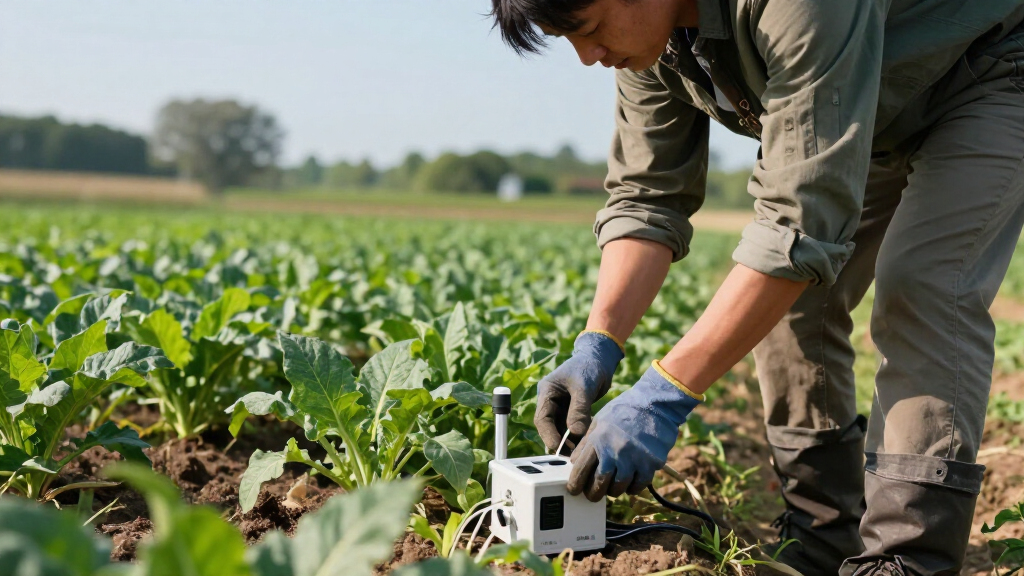
The project involves the integration of advanced sensor systems into agricultural practices, allowing farmers to receive real-time data on soil nutrients, moisture levels, and crop health. According to sources familiar with the initiative, the goal is to enable precise fertilizer application, minimizing excess use that often leads to environmental pollution.
While specific technologies are still under development, the research aims to combine sensor data with digital platforms for decision-making support. The European Union has allocated funding for these pilot projects, with the expectation that they could lead to broader adoption across member states if successful.
Experts say the initiative responds to longstanding concerns about the environmental impact of fertilizer runoff, which contributes to water pollution and greenhouse gas emissions. The project also aligns with Europe’s broader sustainability goals, including reducing agricultural emissions and conserving natural resources.
Implications for Sustainable Agriculture and Environmental Protection
This research could lead to a significant reduction in fertilizer waste, decreasing environmental pollution and greenhouse gas emissions associated with excess fertilizer use. By enabling more precise application, the project aims to improve crop yields while reducing costs for farmers.
If successful, sensor-based fertilizer management could transform agricultural practices across Europe, supporting the EU’s climate and sustainability commitments. It also offers potential economic benefits by optimizing input use and reducing waste disposal costs.
Products Worth Considering

Ring Alarm 14-Piece Kit

Roborock Qrevo 2 Pro Robot Vacuum and Mop with 20,000 Pa Suction

Arlo Pro 2K HDR Wireless Security Camera, 6th Generation, 4-Camera Pack
As an affiliate, we earn on qualifying purchases.
Growing Focus on Precision Agriculture and Environmental Concerns
Interest in sensor technology for agriculture has surged over recent years, driven by the need to address environmental challenges and improve resource efficiency. While many projects have explored precision farming, the current European initiative emphasizes real-time soil and crop monitoring specifically for fertilizer management.
Previous efforts in this domain have demonstrated the potential for digital tools to enhance productivity and sustainability, but widespread adoption remains limited. The new projects aim to bridge this gap by integrating sensor data into practical farming workflows.
Unconfirmed reports suggest that the European Union’s funding reflects a broader policy shift toward supporting innovative, environmentally friendly farming solutions, though specific program details are still emerging.
Unconfirmed Details About Technology Deployment and Outcomes
It is not yet clear how quickly these sensor systems will be developed and adopted by farmers, or how effective they will be in real-world conditions. The specific technologies, their costs, and scalability are still under evaluation, and pilot project results are pending.
Additionally, it remains uncertain whether these initiatives will lead to widespread policy changes or industry standards across Europe, as the projects are still in early stages.
Next Steps Include Pilot Testing and Evaluation
European research teams plan to launch pilot projects within the next year, testing sensor systems on selected farms. Results from these pilots will inform broader deployment strategies and potential policy recommendations.
Further funding and coordination efforts are expected to follow, alongside ongoing assessments of technical performance, economic viability, and environmental impact.
Key Questions
How will sensors improve fertilizer use?
Sensors will provide real-time data on soil nutrients and moisture, enabling farmers to apply fertilizer more precisely according to crop needs, reducing excess use.
When might these technologies be widely available?
Pilot projects are expected to start within the next year, but widespread adoption could take several years depending on pilot success and policy support.
Will this reduce farming costs?
Potentially, yes. More efficient fertilizer use can lower input costs and reduce waste disposal expenses, though initial investment in sensor technology may be required.
Are there environmental benefits?
Yes. Reducing fertilizer runoff can decrease water pollution and greenhouse gas emissions, supporting environmental sustainability goals.
What challenges remain for implementation?
Technical reliability, cost, farmer acceptance, and integration into existing practices are key challenges that need addressing before broad deployment.
Source: rss