
TL;DR

Get pool and patio gear delivered free with Prime
- Fast, free delivery on millions of items
- Prime Video, Amazon Music and more included
- Member-only deals all year
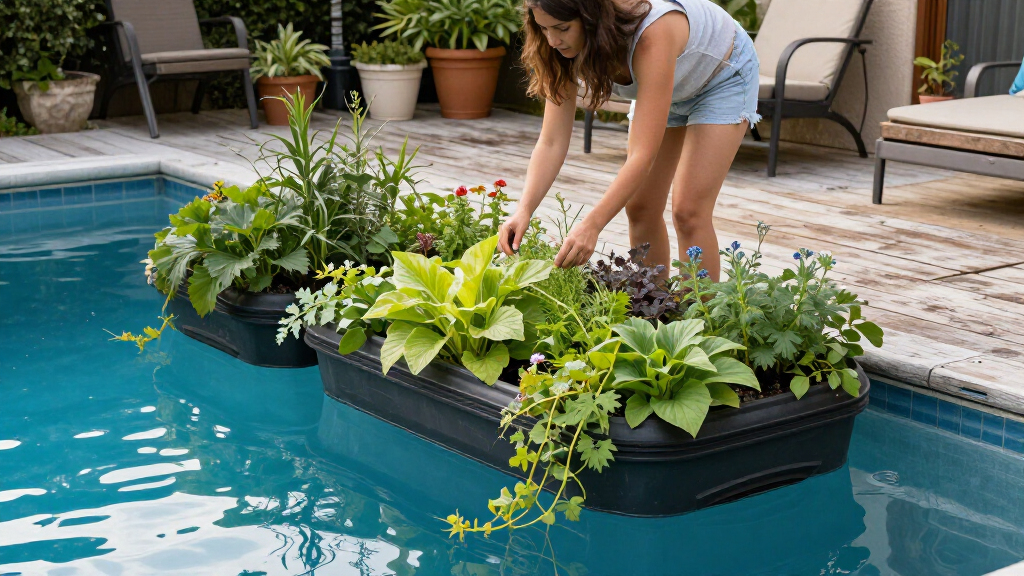
An Amateur Gardening report outlines a small-scale version of floating gardens, using repurposed expanded-polystyrene trays or panels in a container of water. The idea may help keep selected plants supplied with moisture, but it is not a substitute for large-scale floating farms and has limits involving plant choice, water volume, stability and plastic waste.
Amateur Gardening has described a small-scale floating garden using repurposed expanded-polystyrene trays or panels set in water-filled containers, a method the report says could help some plants draw moisture during dry conditions. The article presents the idea as a partial option for home gardeners, not a proven solution to drought or waterlogging, and warns that container size, plant needs and loose polystyrene can limit its usefulness.
The report adapts the concept of larger floating gardens—rafts that can support crops above water—to domestic settings. Instead of a timber raft with soil, it suggests fitting a thick, flat piece of expanded polystyrene inside a container such as an old bath or sink, then making holes so the bottoms of plant pots reach the water. The float can be weighted or given extra flotation to adjust how deeply the pots sit.
For smaller crops, the article suggests using expanded-polystyrene seed trays, with one tray fixed on top of another to improve flotation. If the assembly rides too high, weight can bring the compost closer to the water; the report also proposes placing capillary matting beneath the upper tray. It names salad leaves, spinach, Chinese greens and watercress as possible crops for these shallow trays, while describing them as better suited to starting plants than growing most crops to full size.
Plant choice matters. The report says that tomatoes, melons, cucumbers and sweet peas may tolerate sitting in saucers of water when other growing conditions are suitable. It also identifies cranberries, blackcurrants and blueberries as plants that like moist conditions, while stressing that even moisture-loving plants generally need their roots above the waterline. It recommends occasional feeding because nutrients can leach out, and notes that a small bath may hold enough rainwater for a single small blueberry plant but not several thirsty plants without refilling.
A Water Buffer for Home Gardens
The idea offers gardeners a way to store rainwater close to plants and make that supply available between watering, using containers and materials they may already have. That could be useful during dry spells, particularly for selected plants that benefit from consistent moisture. The article does not provide trial results or quantify how much water the method saves, so its benefits should be understood as a practical suggestion rather than measured performance.
It also addresses a problem that can arise when weather swings from drought to heavy rain: plants need water, but many cannot tolerate waterlogged roots. A floating pot can keep the compost itself above the water while allowing its base to draw moisture. That distinction is central to the proposal. The report cautions that most plants need air around their roots and should not be submerged, so a floating setup is not appropriate for every crop or growing situation.
floating garden planters for small containers
As an affiliate, we earn on qualifying purchases.
As an affiliate, we earn on qualifying purchases.
From Large Rafts to Small Containers
The source compares the home-garden concept with floating gardens shown in documentaries, describing large rafts made from timber and bark and topped with soil or mud. Those rafts can support a range of crops, including fruit trees, and sit partly above the water. The article does not identify a specific location, project or new commercial installation; its focus is a gardening technique for household use.
It proposes smaller containers because most gardeners do not have a pond large enough for a substantial raft. An old bath, sink or similar vessel can hold water under a floating tray or planter. This is a different scale and purpose from agricultural floating gardens: the source frames it as a self-watering growing aid that stores rain, with the amount available determined by the size of the container and how much plants consume.
““there is one possible, partial solution that might just help a tad in the next drought.””
— Amateur Gardening report
Limits of the Floating Planter
The source does not report controlled tests, measured water savings, yields or comparisons with conventional containers. It is therefore unclear how well the method performs across different climates, container sizes and plant varieties, or how much maintenance a typical setup would require. The article’s examples are gardening suggestions rather than guarantees that each named crop will thrive in every floating arrangement.
Practical risks also depend on the vessel. The report says a floating pot in a deeper container, such as a water butt, may sink below the rim as the water level falls, then sit high and exposed after rain, creating a risk that it could blow off. It also warns that an uncovered water butt can collect debris and insect larvae. The source does not specify a tested anchoring method, safe container design or a standard way to manage these issues.
The environmental trade-off is unresolved. The article suggests reusing polystyrene seed trays that gardeners already have, but acknowledges that the material is not ideal for the environment. It advises disposing of broken pieces safely to keep them out of soil and watercourses. It gives no broader assessment of the material’s environmental effects or the life span of a planter.
What Gardeners Should Check
The report does not announce a formal trial, product launch or follow-up project. Its immediate next step for readers is practical: choose a container suited to the amount of water and the plants being grown, keep compost above the waterline, and check the float’s stability as water levels change. The article also advises occasional feeding and topping up when the stored water is insufficient.
Anyone trying the idea should monitor plants for waterlogging and check that trays or panels remain secure, particularly in deeper vessels and after rain. Polystyrene fragments should be collected and disposed of safely. Further evidence on water use, plant growth and durability would be needed before drawing broader conclusions about how effective the method is.
Key Questions
What is the ‘Bobylon’ floating garden idea?
It is a small floating planter concept described by Amateur Gardening: pots or shallow trays are supported by expanded polystyrene in a container of water so their compost can draw moisture.
Which plants does the report suggest?
The article names salad leaves, spinach, Chinese greens and watercress for shallow trays. It also says tomatoes, melons, cucumbers and sweet peas may tolerate sitting in saucers of water under suitable conditions. These are suggestions, not guarantees.
Can all plants grow with their roots in water?
No. The report says most plants need air as well as water around their roots. It recommends keeping the compost above the waterline, even for plants that prefer moist soil.
What are the main risks?
Small containers may not hold enough water for thirsty plants, while floats in deeper vessels may rise or sink as water levels change. Uncovered water butts can collect debris and insect larvae, and broken polystyrene should be kept out of soil and waterways.
Does the report prove the method saves water?
No. The source offers gardening advice but provides no measured water savings, yield data or trial results. Its claims about usefulness are presented as a partial practical option.
Source: rss
Halloween Picks
halloween
As an affiliate, we earn on qualifying purchases.