TL;DR

Get pool and patio gear delivered free — and shop member deals
- Fast, free delivery on millions of items
- Access to Prime Big Deal Days deals on October 6–7
- Prime Video, Amazon Music and more included
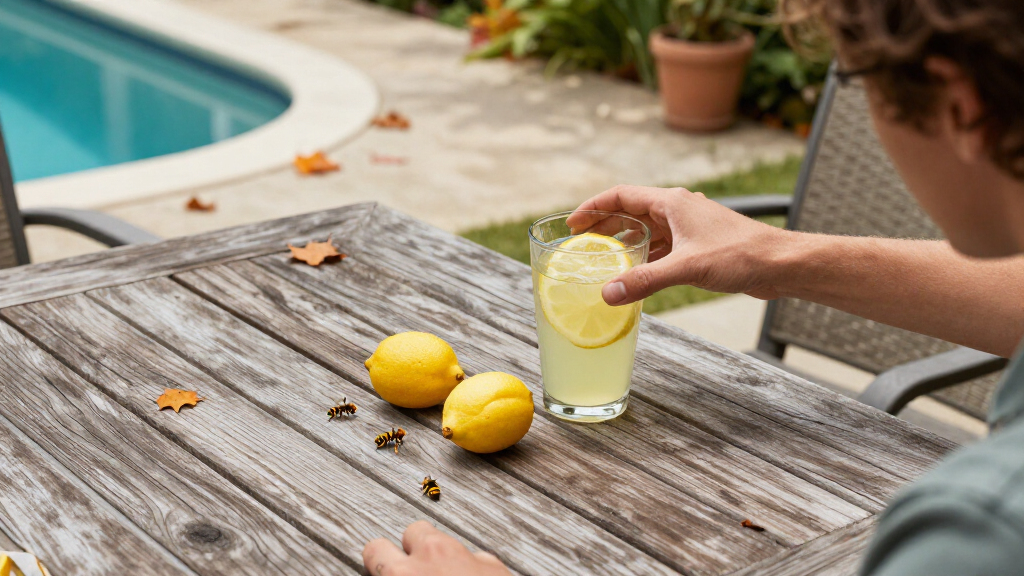
Yellowjacket workers spend more time searching for food in late summer and fall, when colonies are near the end of their annual cycle. Keep food and sugary drinks covered, clean up spills and fallen fruit, and walk away calmly rather than swatting if one approaches.
Yellowjackets are more likely to turn up around food and drinks in late summer and fall, as workers spend more time searching for food near the end of their colonies’ annual cycle, pest-control specialists told Country Living. The report recommends covering food, cleaning sugary spills and avoiding sudden movements around the insects to lower the risk of a sting.
Bill Stodder, an associate certified entomologist with Neuse Termite and Pest Control, told Country Living that workers look for food more often as colonies approach the end of their annual cycle. He said yellowjackets are drawn to sweet-smelling items, including soda, ripe fruit and trash. Fallen fruit and open garbage can therefore attract them to yards and outdoor dining areas.
Gordon Doran, CEO of Natran Green Pest Control, advised keeping food and drinks covered outdoors and cleaning up spills. He warned that a yellowjacket may crawl into an open drink can, where it can be difficult to see. Pouring drinks into a clear cup can make it easier to check before drinking. Containers with sugary residue should be rinsed before recycling, and garbage lids should stay closed.
The report also recommends paying attention to sweet or fruity personal-care products and hummingbird feeders, which may attract the insects. Wiping feeder surfaces can help; Doran suggested a saucer-style feeder with feeding ports on top as another option. If yellowjackets approach, he advises walking away calmly rather than swatting or running, which he said can trigger a defensive response.
Reducing Stings Around Outdoor Meals
The advice is relevant to people eating or working outdoors during warm fall weather, when sugary food, drinks and ripe fruit can draw yellowjackets into close contact. A yellowjacket in a can or cup presents a particular risk because someone may not see it before taking a drink. Covering drinks and checking containers are simple precautions that can reduce that chance.
Repeated traffic to one spot may also indicate a nest rather than an isolated insect. Yellowjackets can nest underground or in sheltered parts of buildings, and disturbing a colony can put people nearby at risk. People who suspect a nest near a home or frequently used area should avoid disturbing it and consider contacting a pest-control professional.
As an affiliate, we earn on qualifying purchases.
Colony Cycle and Nest Locations
Yellowjackets are social wasps that live in colonies. Stodder told Country Living that they are beneficial in the ecosystem, feeding on pests such as flies and aphids and serving as prey for other wildlife. They also visit flowers, although the report says they do not provide the same level of pollination as bees.
Nests may be in old animal burrows, under decks or eaves, in attics, or inside wall spaces. Stodder said seeing yellowjackets repeatedly enter and leave the same location can be a clue that a nest is nearby. He recommends checking sheltered areas around homes in spring, when queens may begin small nests, and sealing openings that could provide access to protected spaces.
“Workers spend more of their time looking for food.”
— Bill Stodder, associate certified entomologist at Neuse Termite and Pest Control, as quoted by Country Living
What Seasonal Advice Cannot Predict
The report does not provide local counts or data measuring how much yellowjacket activity rises in fall, and it does not establish that every encounter is more dangerous during this season. Activity can vary by species and location. The suggested precautions may reduce attractants but cannot guarantee that yellowjackets will stay away.
It is also not possible to identify a nest from a single passing insect. Repeated flights to and from one opening may indicate a nest, but the location and size of any colony can be difficult to determine without an inspection. The report offers no specific treatment instructions for nests, so homeowners should not assume that a suspected colony can be safely handled on their own.
Steps Before and During Fall
For the rest of the season, the practical steps are to keep outdoor food and drinks covered, promptly clean spills, remove ripe or fallen fruit and close trash lids. Check hummingbird feeders for yellowjacket activity and keep their surfaces clean. If insects repeatedly fly into and out of a particular opening, keep people away from the area and seek advice from a qualified pest-control professional.
Stodder’s longer-term advice is to inspect eaves, sheds, fences and play structures in spring, when queens may start nests, and seal gaps that could let them into wall voids or other sheltered spaces. The source does not specify a single inspection date or treatment plan; homeowners should base next steps on what they find and seek professional help for a suspected nest.
Key Questions
Why are yellowjackets more noticeable in fall?
According to entomologist Bill Stodder, workers spend more time looking for food as colonies approach the end of their annual cycle. They may gather around soda, ripe fruit, spills and trash.
What attracts yellowjackets to an outdoor meal?
Sweet drinks and foods, sugary residue, ripe or fallen fruit and open garbage can attract them. The report also says sweet-smelling personal-care products may draw their attention.
What should I do if a yellowjacket comes near me?
Gordon Doran advises walking away calmly instead of swatting or running. He says sudden movements can trigger a defensive response.
How can I tell if there may be a nest nearby?
Repeated flights into and out of the same opening may indicate a nest. Yellowjackets can nest underground or in sheltered areas of buildings; avoid disturbing a suspected nest and seek professional advice.
Are yellowjackets beneficial?
Stodder told Country Living that yellowjackets help control some pests and serve as food for other wildlife. They also visit flowers, though the report distinguishes their pollination role from that of bees.
Source: rss
Halloween Picks
halloween
As an affiliate, we earn on qualifying purchases.