TL;DR

Get pool and patio gear delivered free with Prime
- Fast, free delivery on millions of items
- Prime Video, Amazon Music and more included
- Member-only deals all year
A Gardening Know How report says five common houseplants may contribute to allergy symptoms for some people as plants move indoors in fall: weeping fig, yucca, peace lily, potted mums and English ivy. The report recommends cleaning leaves, avoiding waterlogged soil and limiting contact with plants that appear to trigger symptoms; it says plant-related allergies are uncommon overall.
Five common houseplants may aggravate allergy symptoms for some people when they come indoors in fall, according to a Gardening Know How report that identifies weeping fig, yucca, peace lily, potted mums and English ivy as possible sources of exposure. The report says houseplant allergies are uncommon overall, and the plants do not need to be removed automatically; risk depends on individual sensitivity, plant care and handling.
The seasonal change can bring several potential irritants into the same indoor space. As windows close and heating systems start, dust in vents may circulate, while houseplants returning from patios can bring in dust or damp potting mix. The report says dust on leaves and persistently wet soil account for many plant-related flare-ups, while certain species may also pose risks from sap, pollen or skin-irritating compounds.
Weeping fig is associated with reactions to milky sap, and allergens may collect in dust on the plant or nearby floor. The report also notes possible cross-reaction between some weeping-fig proteins and natural rubber latex, advising people with latex allergies to use latex-free gloves when pruning. Yucca may trigger sensitization in some people with allergic rhinitis, and its long leaves can collect dust. Peace lily cases have involved pollen and leaves; removing spent flowers and keeping flowering plants out of bedrooms may reduce exposure.
Potted mums and English ivy are also listed. Mums contain allergens associated with flowers and fine leaf hairs, and handling them may cause skin reactions; people sensitive to related plants such as chamomile or feverfew may also react. English ivy contains falcarinol, which can irritate skin or trigger a rash, often after pruning or handling runners. The report recommends wearing gloves, washing hands and inspecting and rinsing ivy before bringing it back indoors.
Reducing Indoor Plant Exposure
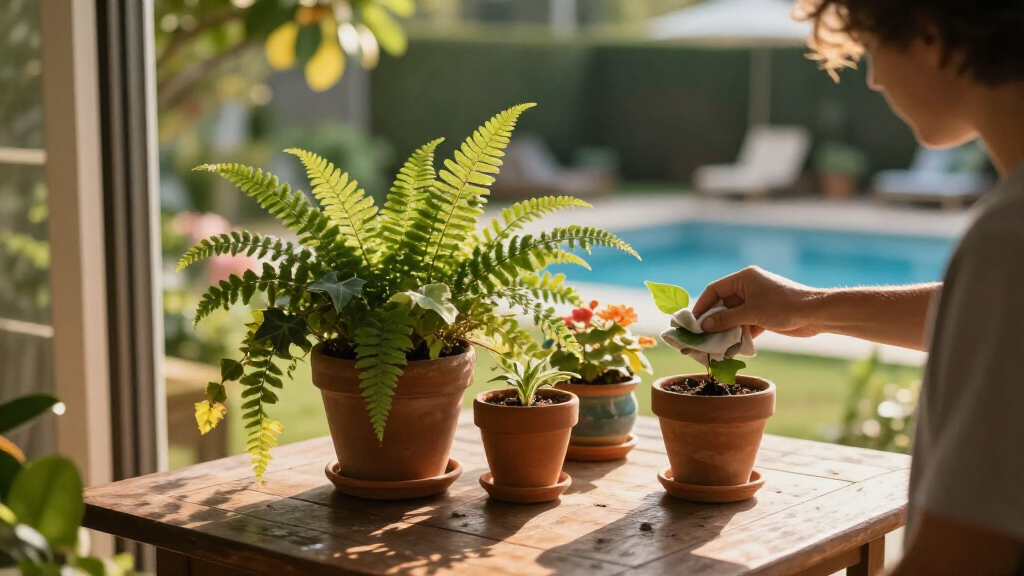
The advice is relevant to people who notice symptoms after moving plants inside, but it does not establish that a houseplant is the cause of any particular person’s allergies. Dust, mold and seasonal indoor conditions can overlap, making it difficult to identify a trigger from symptoms alone. The report suggests starting with low-disruption steps: wipe broad leaves with a damp cloth, rinse smaller plants when practical, and keep pots from remaining waterlogged.
These measures also address basic plant care. The report advises letting the top of potting mix dry between waterings, emptying saucers and removing a white, cottony soil layer outdoors before adding fresh potting mix. It says an air purifier with a HEPA filter may capture airborne dust and pollen, but will not remove dust sitting on leaves. If symptoms persist, an allergist can assess possible triggers, including specific plants.
As an affiliate, we earn on qualifying purchases.
Why Fall Changes Indoor Exposure
In summer, plants may stay outside and open windows can increase air exchange. In fall, plants are brought indoors and windows are shut. The report says the first furnace run may stir up dust, dust-mite particles and material that has settled in vents over summer; it recommends replacing the furnace filter before regular heating begins.
Shorter days also slow houseplant growth, while owners may continue watering on a summer schedule. According to the report, continuously wet potting mix can develop surface mold. It references a study of plant-filled homes that found little airborne Aspergillus fumigatus unless plants or soil were disturbed, underscoring that mold presence in soil does not by itself establish a substantial airborne exposure.
“Houseplant allergies are fairly uncommon overall, but they can still be troublesome for sensitive people.”
— Gardening Know How report
Identifying a Personal Trigger
The report does not provide a publication date, detailed study citations for each plant, or estimates of how often people react to them. It says documented cases and skin testing link the plants to sensitization or reactions, but that does not show that a particular plant is causing an individual’s symptoms. Dust, heating-system debris, dust mites and mold may also contribute to allergy-like symptoms. The report recommends consulting an allergist if symptoms continue, but does not set out a diagnostic protocol or treatment advice.
Steps for the Coming Weeks
As plants are brought indoors, the report recommends wiping leaves with a damp cloth, checking outdoor plants for dust and debris, and adjusting watering as growth slows. People who suspect a specific plant should note when symptoms occur and whether they follow handling, pruning or flowering, then discuss persistent symptoms with an allergist. Testing may help identify a specific sensitivity; the report says a plant that tests positive could be moved to another location rather than discarded. No further research or official guidance is announced in the source material.
Key Questions
Which five houseplants does the report flag?
It lists weeping fig, yucca, peace lily, potted mums and English ivy as plants associated with allergy or skin reactions in some people.
Should I get rid of these plants?
Not automatically. The report says plant-related allergies are uncommon overall and risk depends on personal sensitivity and exposure. If symptoms persist, it suggests discussing possible triggers with an allergist.
What can I do to reduce possible exposure?
Wipe leaves with a damp cloth, avoid keeping potting mix constantly wet, empty water from saucers and use gloves when handling plants that irritate your skin. Rinse outdoor plants before bringing them inside.
Can a HEPA air purifier solve the problem?
The report says a HEPA purifier may capture fine airborne dust and pollen, but it does not remove dust from plant leaves. Cleaning leaves and managing soil moisture remain separate steps.
How can I find out whether a plant is causing my symptoms?
Symptoms alone may not identify the cause because dust, mold and other indoor allergens can overlap. The report recommends consulting an allergist, who may test for specific houseplants.
Source: rss
Fall Picks
fall essentials
As an affiliate, we earn on qualifying purchases.