
TL;DR
The Caio Martins stadium in Niterói, previously used by Botafogo, will be transformed into a park and reservoir. The project aims to improve urban infrastructure and green space, though details remain under development.
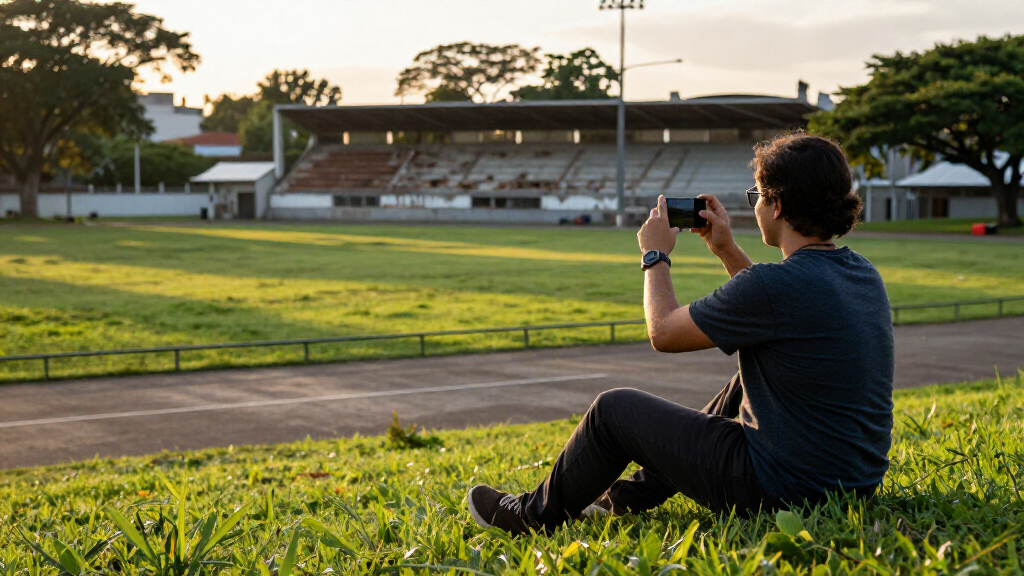
The historic Caio Martins stadium in Niterói, which once served as the home ground for Botafogo, is set to be converted into a public park and reservoir, according to officials. This redevelopment aims to enhance urban infrastructure and green space in the city, with the project currently in planning stages.
The project was officially announced by Niterói city authorities in March 2026, with plans to transform the former stadium site into a multifunctional space combining recreation and water management. The stadium, located in the neighborhood of the same name, has been inactive for several years, and the redevelopment is part of a broader effort to address urban water needs and improve public amenities.
Sources from the municipal government confirmed that the site will be redeveloped into a park integrated with a reservoir. The reservoir component is intended to serve as a water storage solution, helping to mitigate flooding and support the city’s water supply system. The park will include green areas, walking paths, and recreational facilities, aiming to serve local residents and visitors.
Local residents and sports enthusiasts recall Caio Martins as a key sports venue, but the stadium has been unused for years. The project aims to preserve the site’s historical significance while adapting it to contemporary urban needs. It remains unclear when construction will begin or how the project will be funded, as planning details are still being finalized.
Urban Development and Water Security Benefits
This redevelopment project is significant because it combines urban green space expansion with water infrastructure improvements. By converting an unused stadium into a park and reservoir, Niterói aims to enhance the city’s resilience against flooding, improve public recreation options, and optimize water management. The project reflects a trend toward sustainable urban planning that integrates environmental and social needs.
As an affiliate, we earn on qualifying purchases.
Historical Use and Future Potential of Caio Martins
The Caio Martins stadium has a long history as a sports venue, primarily associated with Botafogo’s activities in Niterói. It has been a landmark in the neighborhood, hosting football matches and community events. However, over recent years, the stadium has fallen into disuse, with its facilities deteriorating.
The decision to repurpose the site aligns with broader urban renewal initiatives in Niterói and the Rio de Janeiro metropolitan area, where authorities are seeking sustainable solutions to urban challenges. Similar projects elsewhere in Brazil have aimed to convert vacant sports and industrial sites into green and water infrastructure, reflecting a growing emphasis on environmental resilience.
While the project has been publicly announced, specific timelines, funding sources, and design details are still under development, and community feedback is expected to influence final plans.
Unconfirmed Details on Project Timeline and Funding
It is not yet clear when construction will begin or how the project will be funded. Details on design specifics, environmental assessments, and community consultations remain forthcoming. The timeline and scope are still under discussion, and official updates are awaited.
Next Steps in Planning and Community Engagement
Authorities are expected to release detailed project plans, timelines, and funding sources in the coming months. Public consultations and community feedback are likely to shape final designs. Construction could commence once all approvals are secured, potentially within the next 1-2 years.
Key Questions
What is Caio Martins stadium used for now?
The stadium has been inactive for several years and is not currently used for sports or events.
Will the stadium be preserved or demolished?
The project aims to repurpose the site into a park and reservoir, which suggests some existing structures may be adapted rather than demolished entirely, but specific plans are still under development.
When will construction start?
It is not yet confirmed; planning is ongoing, and official timelines are expected in upcoming months.
How will this project impact the local community?
The project is intended to provide green recreational spaces and improve water management, which could benefit residents by reducing flood risks and enhancing urban life quality.
Will there be public input on the project?
Community consultations are anticipated as part of the planning process, allowing residents to provide feedback on the final design.
Source: local