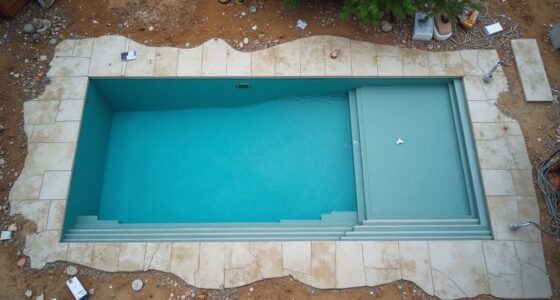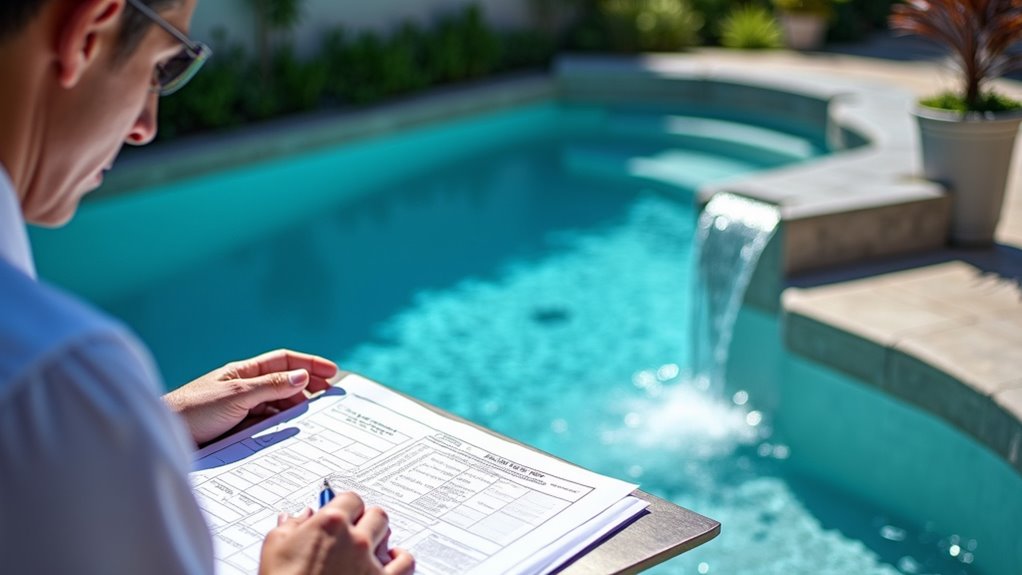

When getting permits for an infinity pool, inspectors check your application to make certain it meets local building codes. They evaluate the pool’s structural safety, including integrity and stability, and verify electrical and plumbing systems meet safety standards. Inspectors also review safety barriers, fencing, and access controls to prevent accidents. Additionally, they examine drainage, water management, and environmental regulations. To learn the specific checks, keep exploring how each aspect ensures your pool’s safety and compliance.
Key Takeaways
- Inspectors verify compliance with local permits, zoning laws, and safety regulations during the application process.
- They evaluate structural safety, foundation stability, and material standards to ensure long-term durability.
- Electrical and plumbing systems are checked for proper bonding, GFCI installation, and leak prevention.
- Safety barriers, fencing, and access controls are inspected to prevent accidents and unauthorized entry.
- Drainage, runoff management, and stormwater practices are reviewed to prevent erosion, flooding, and water contamination.

Pool Lights for Inground Pool, 60W 10 Inch LED Inground Pool Light with Controller, Remote and APP Control for Wet Niche, Color Changing Underwater Swimming Pool Lights with 50 Foot Cord
【3 Ways to Control: APP + Controller + Remote】Traditional led pool lights often suffer from signal loss due...
As an affiliate, we earn on qualifying purchases.
Local Building Permits and Application Process

Before you begin building your infinity pool, you’ll need to secure the necessary local building permits. Start by researching your area’s permit application process, which varies depending on your municipality. Typically, you’ll submit documents that include detailed pool plans, site maps, and safety features to demonstrate compliance with local regulations. Be prepared to provide information about pool size, location, and safety measures to ensure your project aligns with zoning laws. It’s crucial to understand the specific requirements of your local jurisdiction, as these can differ widely. Failing to obtain the appropriate permits can lead to fines or having to dismantle your pool later. Taking the time to navigate the permit application process properly helps ensure your infinity pool is legal, safe, and built to code. Additionally, reviewing building codes and regulations specific to your area can help you avoid common pitfalls and ensure your project meets all safety standards.

INTEX 2,650 GPH Krystal Clear Sand Filter Pump and Saltwater Pool Chlorine System for Above Ground Pools, Pool Cleaner System with Automatic Timer
✔ FRESH AND CLEAN WATER – QX2600 uses sand for excellent filtration combined with the QS1200 saltwater system...
As an affiliate, we earn on qualifying purchases.
Structural Safety and Pool Integrity Standards

Ensuring your infinity pool is safe starts with checking the foundation stability and load-bearing capacity. You need to confirm that structural materials meet all compliance standards to withstand environmental pressures. Addressing these points early helps protect your investment and guarantees long-term pool integrity. Additionally, verifying that the construction materials are free of rancid smell or sticky texture can help identify potential issues before they compromise the pool’s safety.
Foundation Stability Checks
To maintain the safety and longevity of your infinity pool, thorough foundation stability checks are vital. Inspectors will evaluate soil settlement around the pool area to ensure the ground remains stable and supports the structure properly. If there’s uneven soil movement or signs of shifting, foundation reinforcement may be necessary to prevent future issues. They’ll also verify that your pool’s foundation meets local codes and engineering standards, confirming it’s designed to handle the weight and water pressure. Proper foundation reinforcement, such as additional concrete or underpinning, helps prevent cracks, tilting, or collapse. These checks are essential for avoiding costly repairs and ensuring your pool remains safe and secure over time. Consistent foundation assessments safeguard your investment and promote long-term structural integrity. Understanding Grocery Store Hours can also help in scheduling inspections or maintenance visits more efficiently.
Load-Bearing Assessments
Have you confirmed that your infinity pool meets all load-bearing safety standards? A thorough load assessment is essential to ensure your pool can handle expected weight loads without compromise. Inspectors perform support evaluations to verify that the structure can sustain the weight of water, people, and environmental factors like snow or wind. They check for proper load distribution, ensuring no single point bears excessive stress. Your support evaluation should include reviewing the foundation, support beams, and surrounding structures to prevent potential failures. Meeting these standards safeguards the pool’s structural integrity and your safety. Remember, neglecting load-bearing assessments can lead to costly repairs or dangerous failures. Always work with qualified professionals to confirm your infinity pool’s support system complies with local codes and safety requirements. Incorporating Lifestyle considerations such as workspace ergonomics can also help prevent overexertion during installation or maintenance.
Structural Material Compliance
Using the right structural materials is essential for maintaining both the safety and longevity of your infinity pool. You need materials with high durability to withstand constant exposure to water, weather, and environmental factors. Corrosion resistance is vital, especially for steel reinforcements and metal fixtures, to prevent rust and deterioration over time. Inspectors check that the materials used meet safety standards and are appropriate for pool construction. This includes verifying that concrete, steel, and other components comply with material safety codes. Properly selected materials reduce the risk of structural failure, leaks, or damage. Ensuring material compliance not only protects your investment but also guarantees the safety of swimmers. Additionally, choosing vetted materials ensures that your pool construction aligns with industry safety standards and reduces potential inspection issues. Ultimately, using appropriate, code-approved materials helps your infinity pool stand the test of time while maintaining structural integrity.

HQUA PN01DC LED Inground Pool Lighting System RGBW Color Change 10 Inch 50W, Remote/App Control, 120V AC, 100 Feet Cord
【 RGBW Color Control 】 – With the LC01 system, PN01DC offers 10+ dynamic modes, including flashing, jumping...
As an affiliate, we earn on qualifying purchases.
Electrical System Compliance and Safety Measures
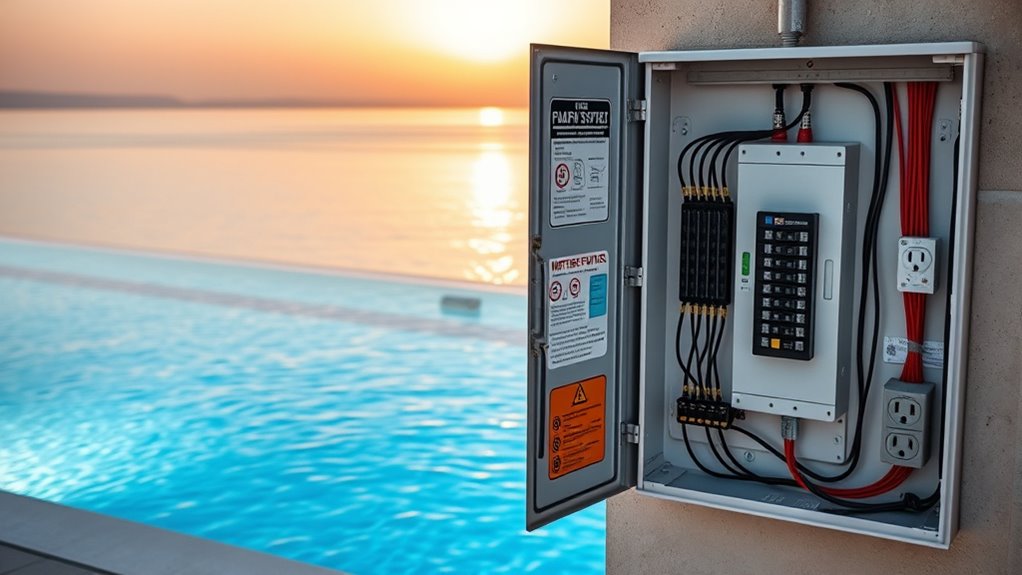
Ensuring your infinity pool’s electrical system meets safety standards is vital. You need to install Ground Fault Circuit Interrupters (GFCIs) and verify proper electrical bonding to prevent hazards. These measures protect you and your guests from electrical shocks and keep your pool compliant with code requirements. Additionally, understanding how Self Watering Plant Pots work and their importance in maintaining healthy plant roots can be analogous to ensuring all pool components are correctly installed and maintained for safety.
Ground Fault Circuit Interrupters (GFCIs)
Ground Fault Circuit Interrupters (GFCIs) are essential safety devices that protect you from electrical shocks by quickly shutting off power when they detect a ground fault. Proper GFCI installation is vital to ensuring electrical safety around your infinity pool. Inspectors look for GFCIs in all outdoor outlets, pool equipment, and any circuits within the pool’s vicinity. These devices must be tested regularly to confirm they trip properly and provide reliable protection. GFCIs help prevent dangerous electric shocks caused by faulty wiring or equipment malfunctions. Ensuring correct GFCI installation not only complies with code requirements but also greatly reduces electrical hazards. By prioritizing GFCI use, you enhance safety for everyone using and maintaining your infinity pool.
Proper Electrical Bonding
Proper electrical bonding is a critical safety measure that creates a continuous conductive path to prevent electrical shock hazards around your infinity pool. Ensuring compliance with grounding requirements and bonding standards helps protect swimmers and property. Bonding involves connecting all metal components, including handrails, pumps, and reinforcing steel, to create a unified electrical system. This prevents potential differences that could cause shocks. Inspectors look for proper bonding conductors, secure connections, and adherence to local codes. Failing to meet bonding standards can lead to dangerous electrical faults. Regular inspections verify that all bonding points remain intact and meet current electrical safety regulations. Proper electrical bonding is essential for safe operation, especially in the humid, wet environment surrounding your infinity pool.
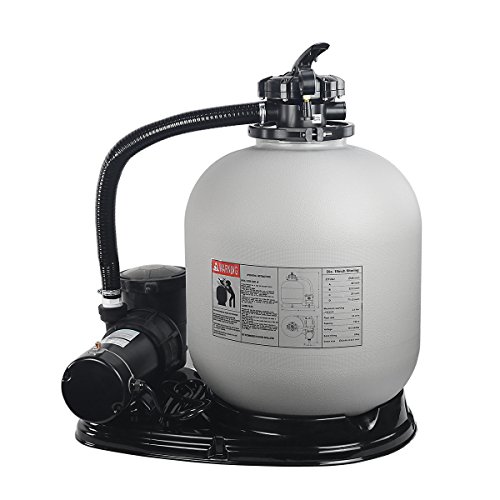
XtremepowerUS 19" Sand Filter 1.5HP Pump 4500 GPH Swimming Pumps System & Filters Combo Set Multi-Port Valve, for Domestic and Commercial Pools up to 18,000 Gallons Pool
Powerful, All-in-One Performance - With an impressive flow rate of 4,500GPH, 1.5HP sand filter pump is ideal for...
As an affiliate, we earn on qualifying purchases.
Plumbing and Water Supply Regulations

Have you ever wondered how plumbing and water supply regulations impact the installation of an infinity pool? These rules guarantee safe, reliable water flow and prevent issues like backflow contamination. Proper backflow prevention devices are vital to avoid contaminated water from entering your main supply. Water pressure must also stay within safe limits to prevent pipe damage or structural stress. Inspectors check for correct installation of valves, pressure regulators, and backflow preventers to meet code standards. Ensuring compliant materials are used in plumbing systems is essential for long-term safety and durability.
Safety Barriers, Fencing, and Access Restrictions
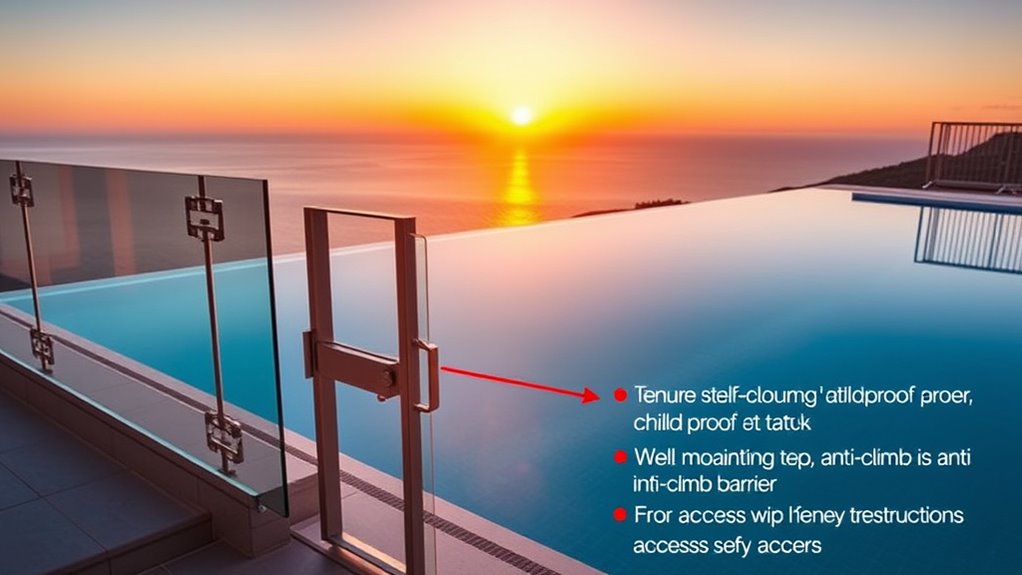
Ensuring safety around your infinity pool requires installing appropriate barriers, fencing, and access restrictions. These safety barriers and fencing prevent accidental falls and unauthorized access, especially for children and pets. Properly designed fencing should be at least 4 feet high, with no gaps or climbable features. Access restrictions, like self-closing gates with locking mechanisms, further enhance safety. Inspectors look for compliance with local codes, ensuring barriers are secure and maintained. Using vetted safety equipment can further reduce risks around your pool area.
Drainage and Water Management Requirements
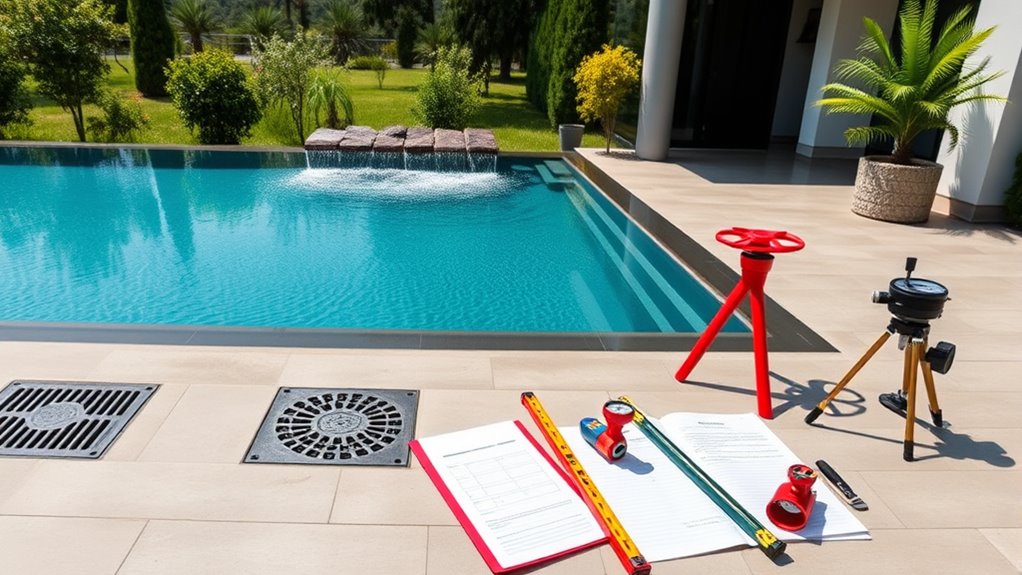
Effective drainage and water management are essential to prevent flooding, erosion, and water quality issues around your infinity pool. Proper drainage design ensures that water runoff from heavy rains is directed away from the pool area, minimizing erosion and foundation problems. Inspectors will evaluate how well your drainage system handles excess water, checking for adequate slope and drainage channels. They also verify that water runoff doesn’t pool or flow toward structures or neighboring properties, which could cause damage or safety hazards. Proper grading around the pool maintains a slope that directs water away from the pool deck and supporting structures. Implementing effective drainage and water management not only protects your property but also guarantees compliance with local codes and reduces future maintenance concerns. Additionally, incorporating stormwater management practices can help control runoff and improve overall water quality.
Pool Equipment and Mechanical Systems Inspection
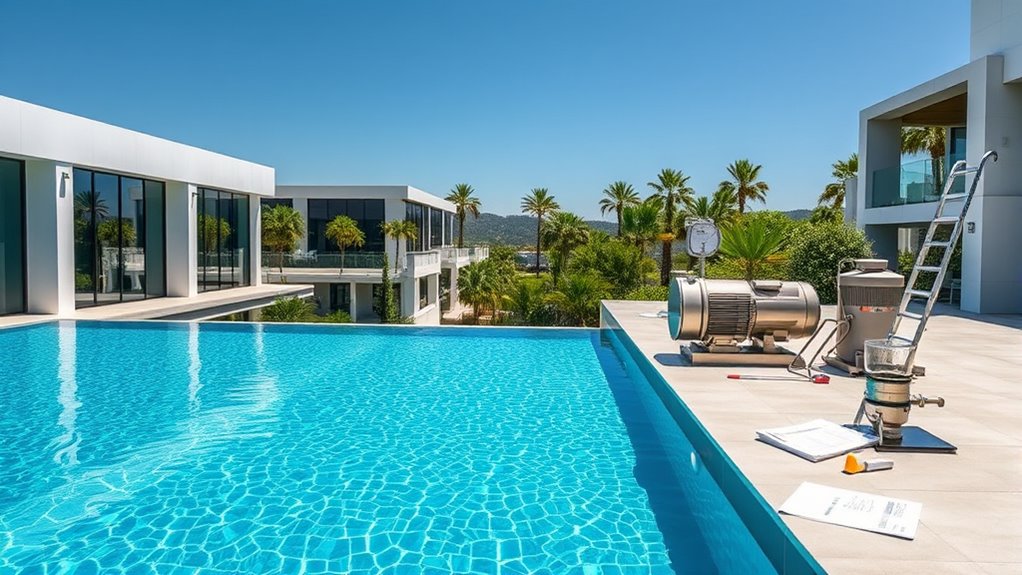
Are your pool’s equipment and mechanical systems operating safely and efficiently? During inspection, you’ll want to verify the condition of your pool pump and filtration system, ensuring they meet safety standards. Properly functioning equipment prevents issues like poor water quality or equipment failure. Inspectors check for secure electrical connections, proper filtration system operation, and signs of leaks or corrosion. They also assess whether the pool pump operates quietly without excessive vibration and that the filtration system maintains appropriate water flow and clarity. Additionally, they verify that all mechanical components are accessible for maintenance and meet local code requirements. Ensuring these elements are in top shape keeps your infinity pool safe, efficient, and compliant with regulations. Regular maintenance also plays a vital role in preserving the longevity and safety of your pool equipment.
Environmental and Zoning Regulations

Have you checked whether your infinity pool complies with local environmental and zoning regulations? It’s essential to review zoning restrictions that may limit pool size, placement, or design. Many areas impose setback requirements, which specify how far your pool must be from property lines, structures, or natural features. Failing to meet these regulations can lead to costly delays or modifications. Zoning laws also address environmental concerns, such as drainage, runoff, and habitat protection, so ensure your plans align with these rules. Contact your local permitting office or planning department before construction to confirm compliance. Being proactive helps you avoid fines, ensure safety, and streamline approvals, making your infinity pool project smoother and more compliant with all applicable environmental and zoning standards.
Frequently Asked Questions
How Long Does the Permit Approval Process Typically Take?
The permit approval process usually takes about 2 to 4 weeks, depending on your local municipality. You can expect the permit duration and approval timeline to vary based on the complexity of your infinity pool project and how quickly your application is reviewed. To speed things up, make sure your plans are complete and accurate. Stay in contact with the permitting office to track progress and address any issues promptly.
Are There Specific Age Restrictions for Pool Construction Permits?
You’ll find that age restrictions usually don’t apply directly to permit applications for pool construction, but your local regulations might have specific requirements for minors involved in the project. Imagine filling your pool with clear, sparkling water—regulations guarantee safety for everyone, regardless of age. Check with your local permitting office to confirm any age-related rules, so your pool project stays on track and compliant with all safety standards.
What Are the Penalties for Non-Compliance With Permit Requirements?
If you face permit violations, you could encounter hefty fines, stop-work orders, or even legal action. Non-compliance with permit requirements can lead to serious legal consequences, including court citations and potential reconstruction costs. It’s vital that you adhere to all permit rules to avoid these penalties. Always make sure your infinity pool project meets local codes and secures the necessary permits before starting construction, protecting you from costly violations.
Do Permits Cover Both Above-Ground and In-Ground Infinity Pools?
You might think permits only cover in-ground pools, but they actually include both above-ground and in-ground infinity pools. The permit scope varies depending on your pool type coverage, ensuring all safety and structural standards are met. This means whether you’re installing a sleek in-ground infinity pool or a portable above-ground one, securing the right permits guarantees compliance and peace of mind during installation and use.
Is Prior Inspection Required Before Filling the Pool With Water?
Yes, a prior inspection is typically required before you fill your infinity pool with water. You should review the inspection checklist to confirm all safety and code requirements are met. Inspectors want to verify your pool’s structure, plumbing, and electrical systems are properly installed. Following water fill procedures carefully is essential, as inspectors may check for leaks, proper drainage, and safety features during this inspection to guarantee everything is compliant and safe for use.
Conclusion
In steering the nuances of permits and codes, remember meticulous measures make masterful pools. By paying close attention to compliance, construction, and safety standards, you guarantee your infinity pool is perfect and protected. From permits to plumbing, each step safeguards your stunning setting. Stay informed, stay involved, and secure your sanctuary. With careful compliance and consistent checks, you’ll create a captivating, compliant infinity pool that’s both beautiful and built to last.