
TL;DR
A Laidback Gardener article published Oct. 11, 2026, argues that gardeners do not need to complete a thorough cleanup before winter. It recommends leaving many perennials, seed heads, leaves and roots in place, while making pruning and winter protection decisions based on specific plant needs.
A Laidback Gardener report published Oct. 11 says gardeners can skip many routine fall cleanup jobs, including cutting back every perennial, removing all leaves and pulling plants from the soil. The advice matters because those habits can remove food and shelter for wildlife and organic material from garden beds, although the article says some work remains appropriate when a plant or site has a specific need.

Get pool and patio gear delivered free with Prime
- Fast, free delivery on millions of items
- Prime Video, Amazon Music and more included
- Member-only deals all year
The report’s central recommendation is to leave healthy, spent plant material standing through winter when it does not create a problem. Perennial stems and ornamental grasses can catch snow, which may help insulate soil and roots, and can provide cover for insects. Seed heads may feed birds or scatter seeds. The article suggests waiting until spring for any needed cutting back, rather than treating brown foliage as a problem that must be fixed in autumn.
It also advises against automatic pruning of trees and shrubs. The right pruning time depends on the plant and the purpose of the cut, and pruning some spring-flowering shrubs in fall can remove buds for the next season. Likewise, routine wrapping or covering is not required for every established, cold-hardy plant in a suitable location. The report says temporary protection can help some newly planted conifers and other evergreens while their roots establish.
For dead annuals and vegetable plants, the article says gardeners can cut off the above-ground growth and leave roots in the soil instead of pulling the whole plant. Roots add organic matter as they decompose. The source also cautions against removing every leaf or turning garden soil without a reason, practices that can take away organic matter or disturb organisms living in the soil; testing garden soil in fall can help guide care decisions. These are general recommendations, not a claim that every plant, leaf or garden condition should be left untouched.
Less Cleanup, More Garden Habitat
Changing fall routines can affect more than how tidy a yard looks. Standing stems and seed heads can offer winter cover and food, while roots and leaves can contribute organic matter. Leaving some material in place also avoids disturbing soil organisms unnecessarily. The report’s practical point is that a garden need not be stripped bare to be ready for winter.
The advice may also reduce the amount of seasonal work homeowners feel obliged to do. But “do less” is not the same as ignoring a genuine problem: gardeners may still need to remove diseased material, address safety concerns or protect plants that are vulnerable in their location. The article emphasizes making those decisions for a reason rather than following a blanket cleanup ritual.
Products Worth Considering

Philips Hue Bridge Pro Starter Kit with 4 A19 E26 Color Smart Bulbs

eufy Security eufyCam C37 4-Camera Kit with 360° Pan and Tilt, Auto Tracking, 2K Video, and Solar Panels

Philips Hue Amarant Outdoor Smart Light Bar, Black
As an affiliate, we earn on qualifying purchases.
The Case Against a Bare Garden
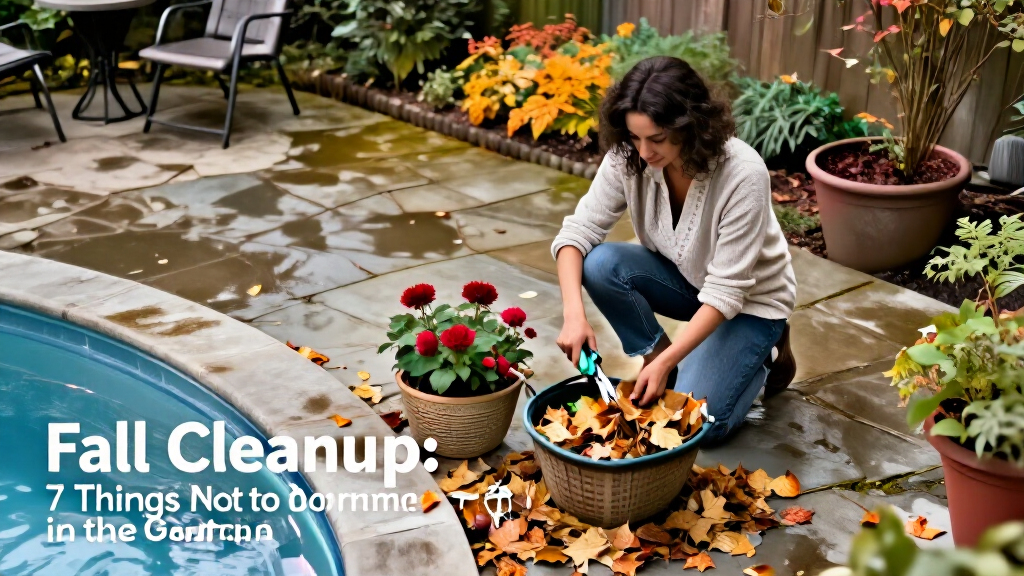
The report describes a common autumn impulse: cutting back plants as soon as they turn brown, removing leaves to make beds look neat and preparing trees and shrubs for cold weather. It challenges the assumption that these steps are always necessary. In its account, senescence—the normal aging of plant growth—is part of a plant’s life cycle, not automatically a sign that a gardener needs to intervene.
The source presents its recommendations as seasonal gardening guidance rather than as a new scientific study or government rule. It points readers toward related Laidback Gardener articles on perennials, pruning, winter protection and insect habitat. The advice is framed broadly; local climate, plant species, disease concerns and individual garden conditions can affect what is appropriate.
“Fall is the ultimate season for being lazy in the garden.”
— Laidback Gardener report
Where Garden Conditions Differ
The source does not set out a region-by-region schedule or identify which species and climates its recommendations cover. It also does not provide research data measuring the effects of leaving stems, leaves or roots in place. Local conditions matter: the appropriate response can differ with a plant’s hardiness, its health, the garden’s exposure and the reason for pruning or cleanup.
The supplied article text ends during its discussion of leaving dead roots in soil, so the complete list of seven tasks is not available in the material provided. It refers to avoiding unnecessary soil turning and removing every leaf, but does not fully set out all seven items or their qualifications. Readers should not assume that all plant debris should be kept: the source material does not address every disease, pest or safety situation.
Decide What Your Garden Needs
The immediate next step is a selective fall assessment, not a blanket cleanup. Gardeners can leave healthy perennials, grasses and seed heads standing where they pose no problem, and postpone pruning until the appropriate time for the specific plant. They can also consider whether a newly planted evergreen needs temporary protection during establishment.
Before removing material or covering plants, check guidance for the plant species and local climate, especially where disease, pests, access or safety are concerns. The report offers no announced follow-up study or policy change; its recommendation is practical seasonal advice to tailor cleanup to the garden rather than the calendar alone.
Key Questions
Does the report recommend leaving all perennials uncut?
It says there is generally no need to cut back perennials in fall and describes benefits of leaving stems standing, including potential shelter for insects and snow capture. It does not establish that every plant should always be left untouched.
Should gardeners prune shrubs before winter?
Not automatically, according to the report. Pruning timing depends on the plant and the purpose of the cut; pruning some spring-flowering shrubs in fall may remove buds for the next bloom.
Are leaves and dead plants always safe to leave in place?
The article argues against removing every leaf or plant remnant as a routine. It does not address every disease, pest or safety circumstance, so gardeners should consider the condition of the material and local guidance.
When might winter protection be useful?
The report says protection may help some newly planted conifers and other evergreens while their root systems are still developing. It advises treating protection as a response to a specific vulnerability, not an automatic annual step for every plant.
Source: rss